Why summer grid constraints are forcing commercial operators to rethink on-site generation
More DNO conversations about capacity, headroom and export limits than there used to be. Here's what a constrained connection actually changes — and why July is the time to find out where your site stands.
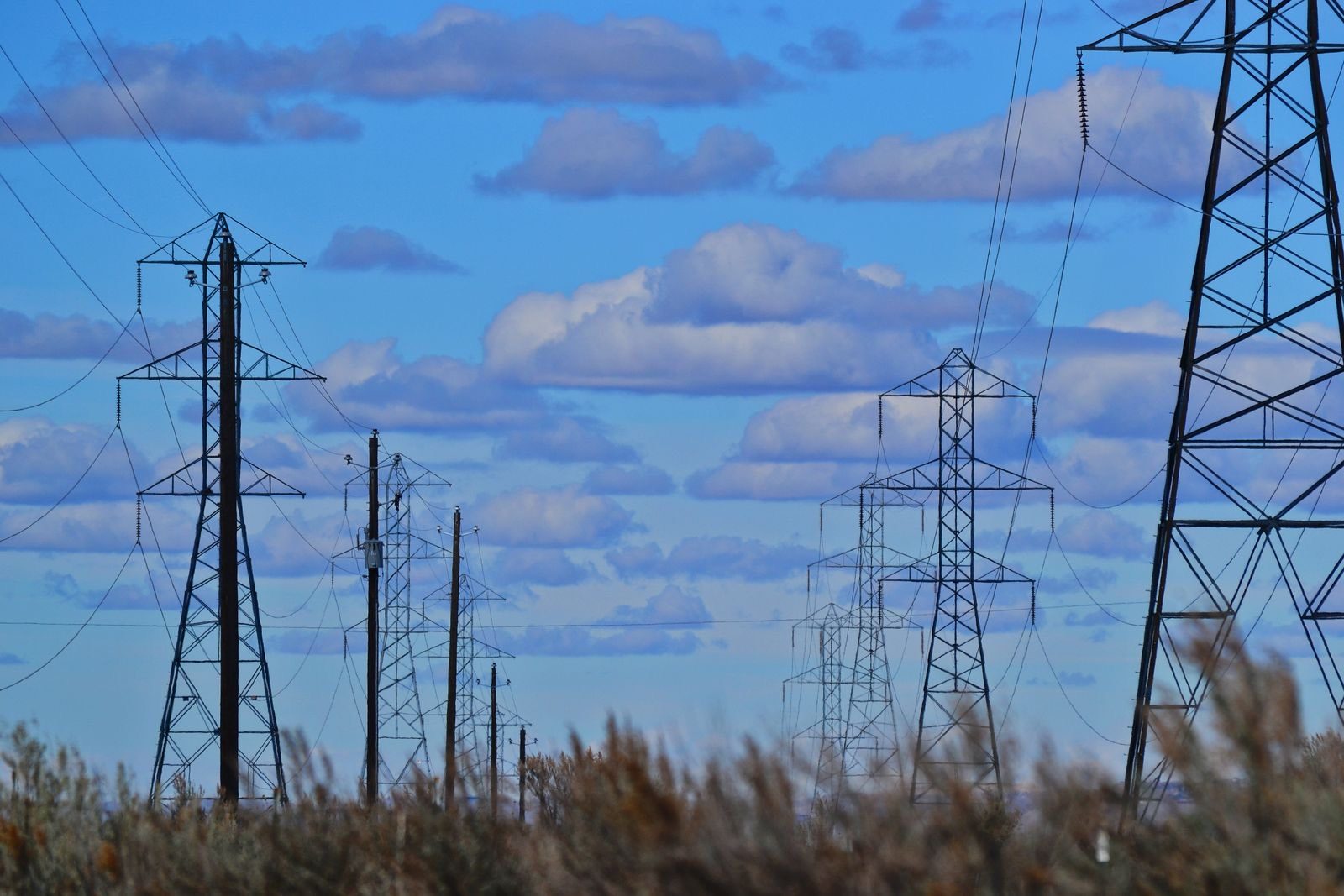
If you manage energy for a commercial site, there's a conversation happening more often this summer than it used to: your Distribution Network Operator (DNO) mentioning capacity, headroom, or export limits — sometimes more than once, sometimes about a connection you thought was settled.
None of that is unusual on its own. Grid capacity has always been finite somewhere in the network. What's changed is how often “somewhere” turns out to be your feeder, right when you're trying to add load — EV charging for a fleet, a battery system, a second building coming online.
The constraint isn't hypothetical anymore
For years, on-site generation planning treated grid connection as a formality: apply, wait, get your agreement, build. That's still true in plenty of cases. But as more sites in the same areas try to generate, store and export power at the same time — often for the same reasons yours does — the DNO's job of balancing all of it gets harder, and slower. A standard connection application that used to be a paperwork exercise can now turn into a genuine capacity conversation, with real consequences for your timeline and your design.
If your site has had even one export curtailment event, or an expansion plan that keeps circling back to “what can the grid actually take,” that's usually the first sign you're already in this conversation — whether anyone has said so explicitly yet or not.
What a constrained connection actually changes
This matters because a capacity constraint doesn't just cap how much you can generate. It changes the shape of the whole plan:
- Sizing. A system designed to maximise generation against an unconstrained connection is the wrong system for a constrained one. The right answer is usually smaller, smarter, and paired with storage — sized to what the site can actually use and export, not to the roof space available.
- Phasing. Where a full build might wait months for headroom, a phased approach — generation first, storage and additional load added as capacity frees up — can get you generating sooner without redesigning later.
- The financial case. A constrained connection changes the payback model your FD sees. Export limits affect how much value on-site generation returns versus how much gets used to offset the site's own consumption. That's a different commercial case, not a worse one — but it needs modelling on its own terms, not against assumptions that no longer apply.
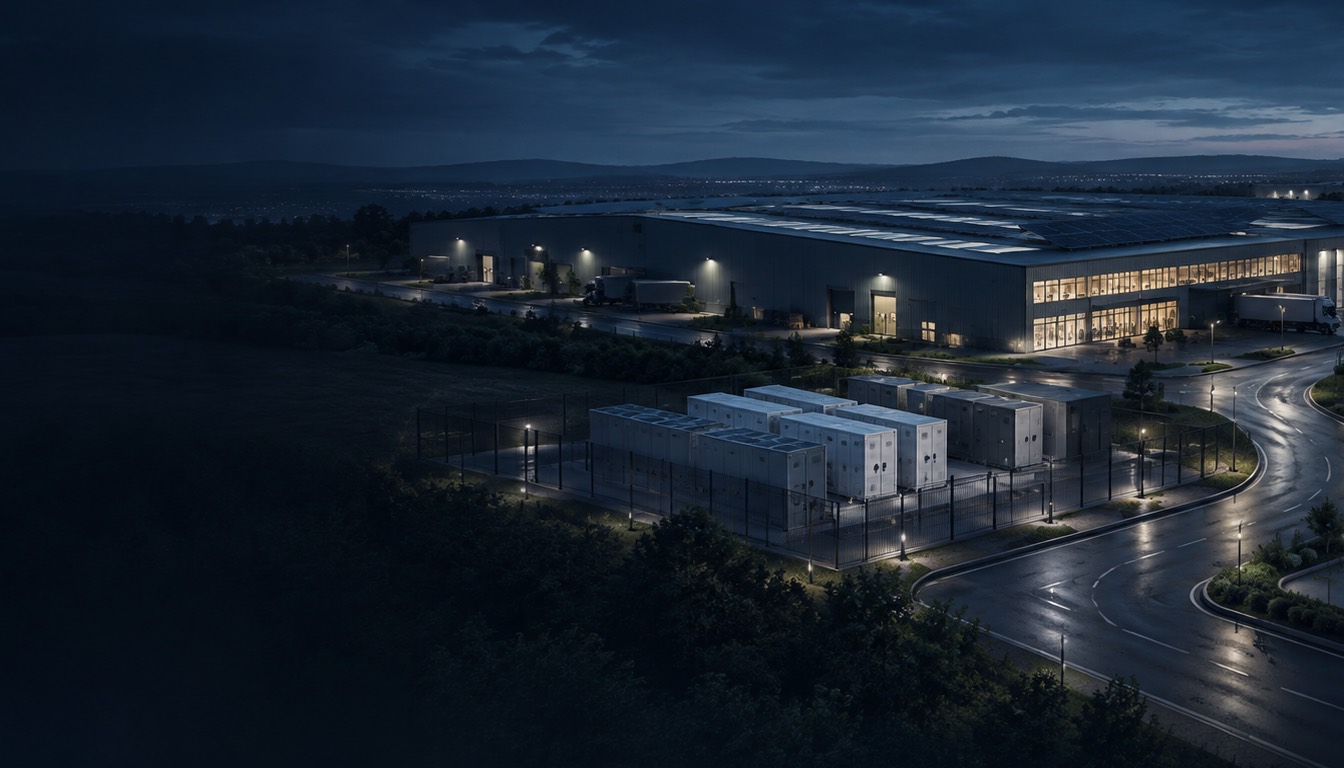
- The case for storage. Battery storage does more work on a constrained connection than an unconstrained one, because it lets you generate at the times the site can use or store power even when export is limited. On a constrained site, storage often moves from “nice to have” to “core to the plan.”
Why this is a July conversation, not a Q4 one
Standard grid connection applications typically take between eight and sixteen weeks to process, and significantly longer where network reinforcement is required. If you want infrastructure — solar, storage, EV charging, or a combination — operational before winter, or ready for next year's budget cycle, the conversation about what your connection can actually support needs to start now, not once the design is finished and the application is the only thing standing between you and commissioning.
Waiting doesn't make the constraint go away. It just means finding out about it later, at a point where it's more expensive to redesign around.
What this looks like done properly
None of this means commercial on-site generation stops making sense on a constrained site — it means the plan has to account for the constraint from the start, rather than treating it as an obstacle to route around after the fact. That's the difference between a system sized to impress and a system sized to actually work for the site it's on, within the connection it's actually going to get: optimised for what the site needs and what the network can support, not maximised against a number that was never realistic to begin with.
If your team is fielding more of these conversations with your DNO than usual, or an expansion plan keeps stalling on a connection date, it's worth finding out where your site actually stands before the design gets locked in.
Book a constraint assessment and we'll walk through what your connection can support, and what that means for the shape of the plan — before the numbers are set.
Book a constraint assessment
We'll walk through what your connection can actually support, and what that means for the shape of the plan — before the numbers are set.
Book a constraint assessment