
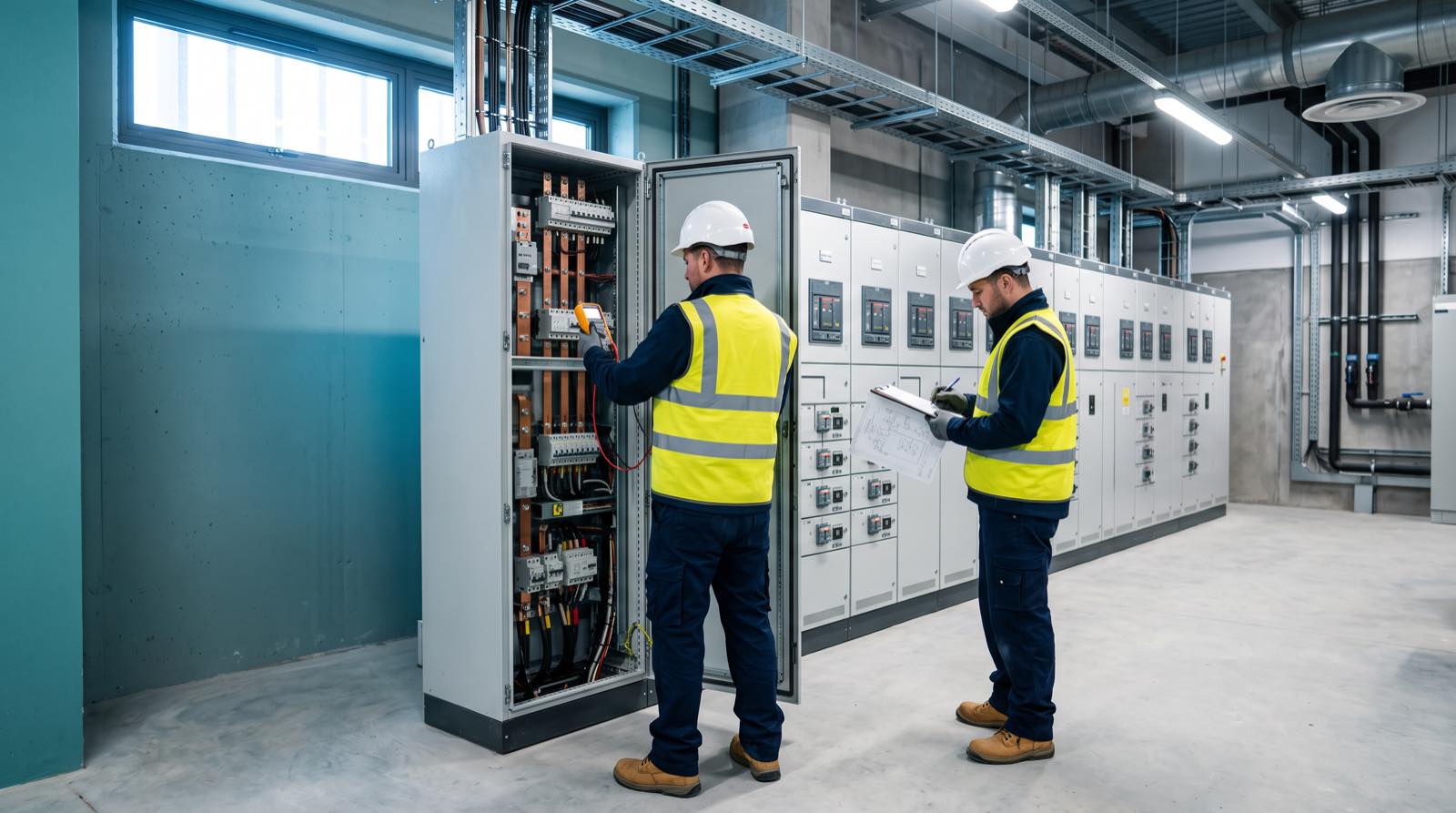
Solar EPC — what single-contract turnkey actually buys you.
A practical guide for developers, IPPs and large industrial clients on engineering, procurement and construction under one contract — and where multi-contract delivery quietly goes wrong.
Solar EPC (Engineering, Procurement, Construction) is a single contract where one accountable party delivers the whole project — design, equipment supply, civils, electrical, commissioning and handover — to a fixed price and a fixed date. The value is not the construction work itself; it is the risk transfer. When something goes wrong, there is no gap between sub-contracts to fall into.
What Solar EPC actually is
A single contract under which Nuvolt takes responsibility for Engineering (full design), Procurement (specifying and supplying all Tier-1 equipment) and Construction (civils, mechanical, electrical, commissioning) of a solar PV asset, with one set of warranties, one programme, one liability and one point of accountability.
A construction contract with a separate designer. It is also not a design-and-build with split procurement. The defining characteristic of EPC is that the same party signs for engineering decisions, equipment performance and construction quality.
- EPC
- Engineering, Procurement, Construction — a single-contract delivery model standard in utility-scale and large commercial solar.
- Turnkey
- Customer receives a fully commissioned, operational asset — they 'turn the key' to take handover. No further work required to start generating.
- Wrap warranty
- Single warranty covering the full system performance, regardless of which sub-component fails. Eliminates inter-warranty disputes.
- LD (liquidated damages)
- Pre-agreed financial penalties paid by the EPC contractor for missed milestones or underperformance. Aligns delivery incentives.
- PR (performance ratio)
- Ratio of actual output to theoretical maximum output of the array. EPC contracts often guarantee a minimum PR for a defined period.
- PAC / FAC
- Provisional Acceptance Certificate (system commissioned and handed over) and Final Acceptance Certificate (after a defined performance test period).
How it works
Six checkpoints from data to commissioning. Scroll to step through each one.
- Step 01
Single contract, single liability
One contract from notice-to-proceed through final acceptance. Engineering decisions and construction quality sit with the same party — no interface gaps.
- Step 02
Full design in-house
Electrical, mechanical, structural and civils engineered as one integrated design. Tier-1 component selection driven by performance modelling, not procurement convenience.
- Step 03
Programme to a fixed date
Liquidated damages tied to the commissioning date. Float and contingency are managed by the EPC, not exposed to the client.
- Step 04
Performance to a guaranteed ratio
Performance Ratio (PR) guaranteed at handover and through a defined post-handover period. Shortfalls trigger LDs or remediation.
- Step 05
Wrap warranty and PAC/FAC handover
Single performance warranty wraps individual component warranties. PAC at commissioning; FAC after performance test period closes the contract cleanly.
Commercial impact
Multi-contract solar delivery looks cheaper on paper. It rarely is. The cost difference between EPC and split-contract is typically 5–10%; the cost of a single significant interface failure usually exceeds that. EPC is insurance against the failure modes you can't predict.
- 01
Fixed-price, fixed-date contract removes cost and schedule risk from the client's balance sheet.
- 02
Single warranty eliminates inter-warranty disputes — no 'the inverter manufacturer says it's the panel, the panel says it's the install' standoffs.
- 03
Performance ratio guarantees give bankable yield numbers — directly usable in project finance models.
Operational impact
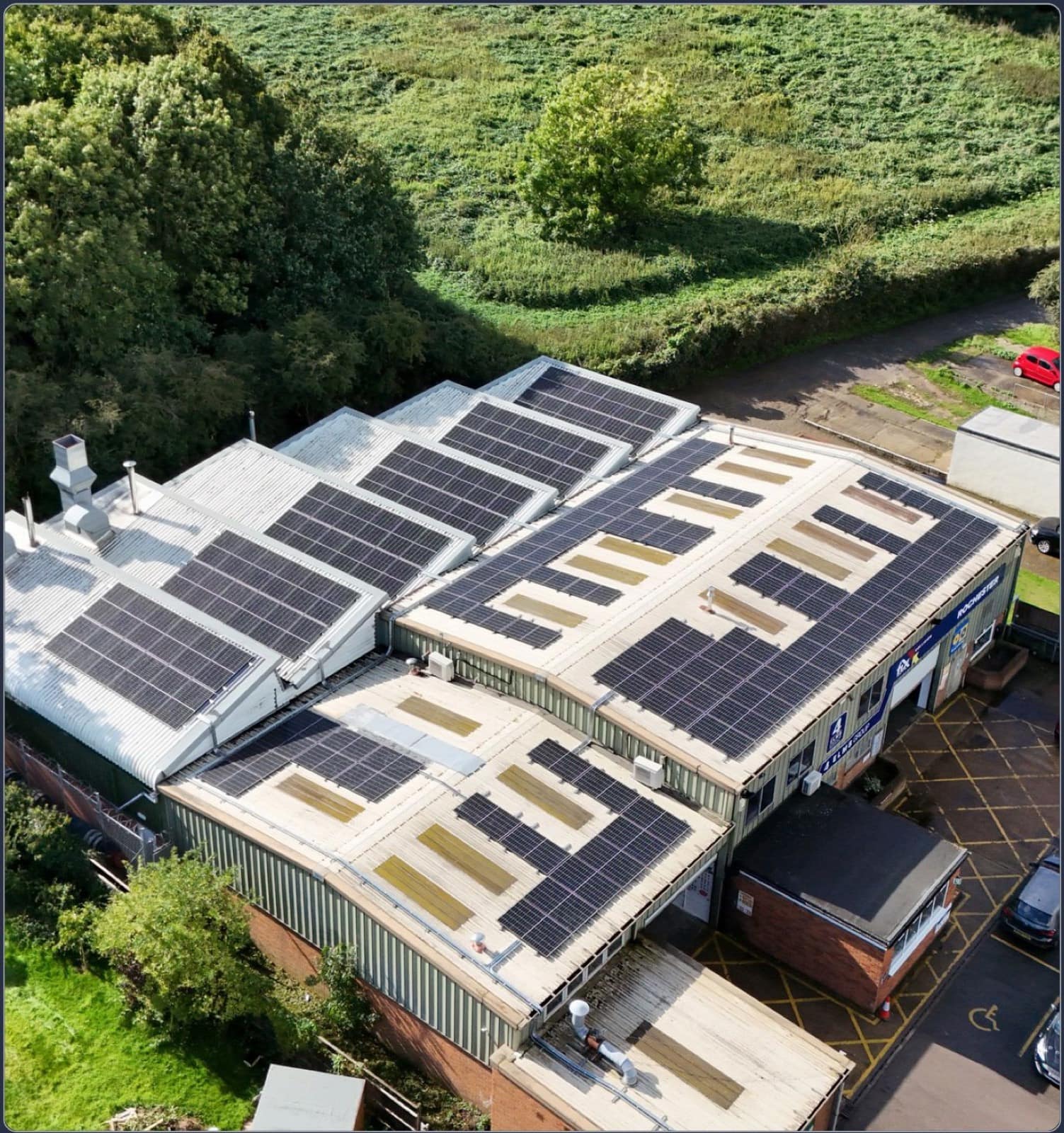
EPC on a live commercial or industrial site is a different discipline to EPC on a greenfield. Nuvolt's commercial EPC work is delivered inside operating buildings, around operating production schedules, with zero tolerance for unplanned downtime.
- 01
Out-of-hours, weekend or shutdown-window working sequenced around the client's operations.
- 02
Single site interface — one project manager, one safety regime, one delivery team.
- 03
Live electrical work co-ordinated with the client's HV authority and site electrical team.
Risks — and how we de-risk them
Single EPC contract eliminates the gap. One party is responsible for the system — no interface disputes.
Engineering team makes equipment decisions based on performance modelling. Tier-1 components selected for the site, not the order book.
Liquidated damages tied to commissioning date. The EPC carries the schedule risk, not the client.
Performance Ratio guarantee at PAC and through performance test period. Shortfalls trigger LDs or remediation.
Method statements, safe systems of work and out-of-hours sequencing all agreed before mobilisation. Delivered live without downtime on industrial sites including Edwards Vacuum.
Full as-built documentation pack, operator training and live monitoring access at PAC. Nothing left for the client to figure out.
How it gets paid for
Four ways to fund the same physical asset. Pick the one that matches your balance sheet and your time horizon.
One contract. Six stages. Zero gaps.
Scroll horizontally — every interface that would be a sub-contract dispute on a multi-contract job sits inside one accountable scope here.

How this stacks up against the alternatives
| EPC (single contract) | Design + Build split | Owner-managed multi-contract | Generic 'solar installer' | |
|---|---|---|---|---|
| Single point of accountability | Yes | Partial | No | No |
| Performance Ratio guarantee | Yes | Sometimes | Rare | No |
| Liquidated damages | Standard | Sometimes | Per contract | Rare |
| Wrap warranty | Yes | Sometimes | No | No |
| Suitable for project finance | Yes | Difficult | Very difficult | No |
| Typical headline cost | Baseline | 5–10% lower | 10–15% lower | Lowest |
| Typical total cost of ownership | Lowest | Often higher | Often highest | Lottery |
EPC is not the cheapest way to install solar. It is the cheapest way to install solar that works, on time, to performance, with no operational fallout. For any project where the asset is meant to matter for 25 years, that's the same question.
Questions buyers actually ask
Selected projects
Marston's PLC
Sustainability initiative — headquarters and Phase 1 solar installation across Marston's hospitality estate, delivered with HT Power PPA support.
- System size
- 114.38 kWp
- CO₂ saved
- 17.44 T
- Payback
- 4 years
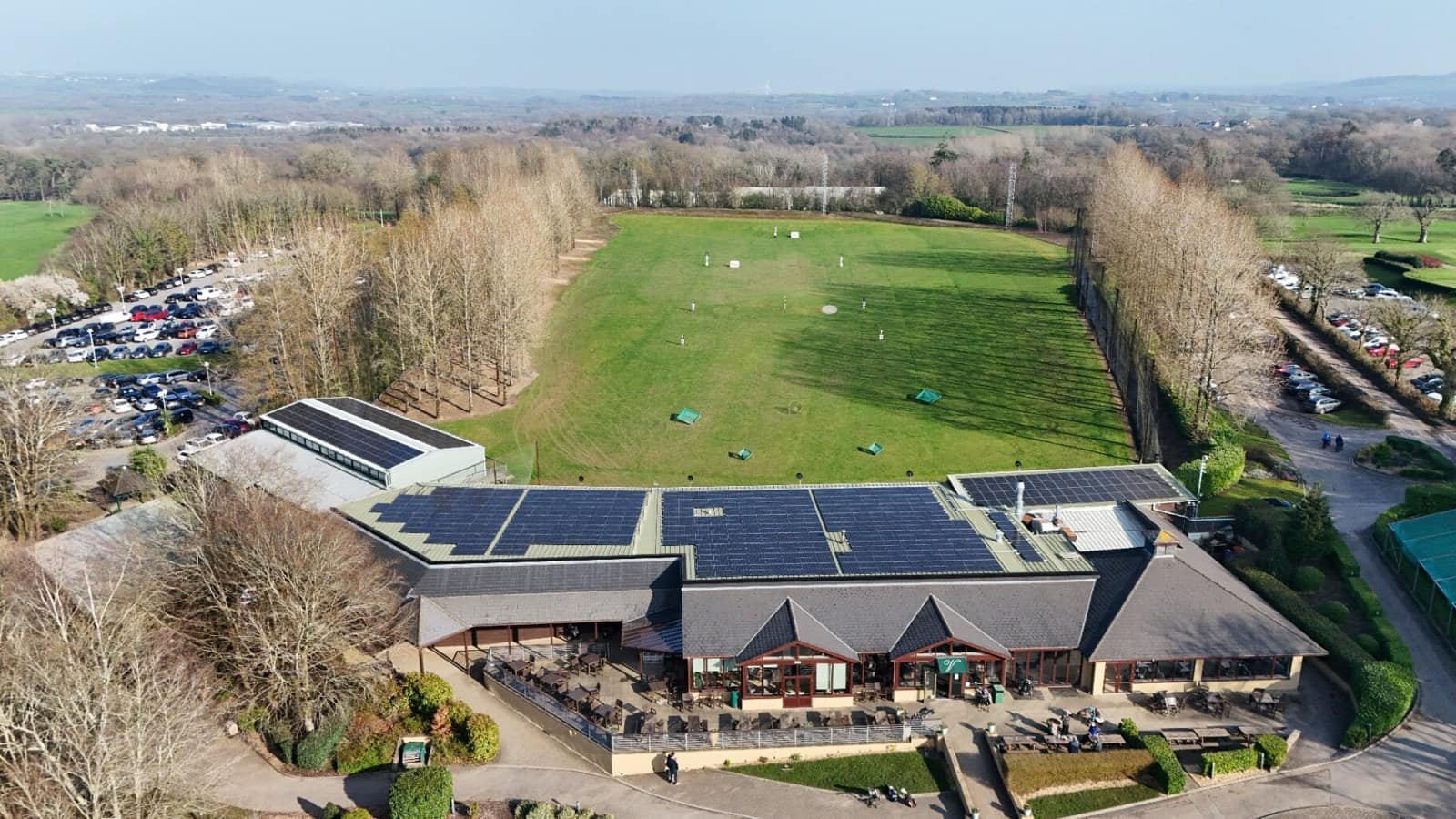
The Vale Resort
Solar PV plus EV charging delivered live across a working luxury resort and golf club.
- System size
- 168.81 kWp
- Year-1 savings
- £43,049.60
- CO₂ saved
- 28.8 T
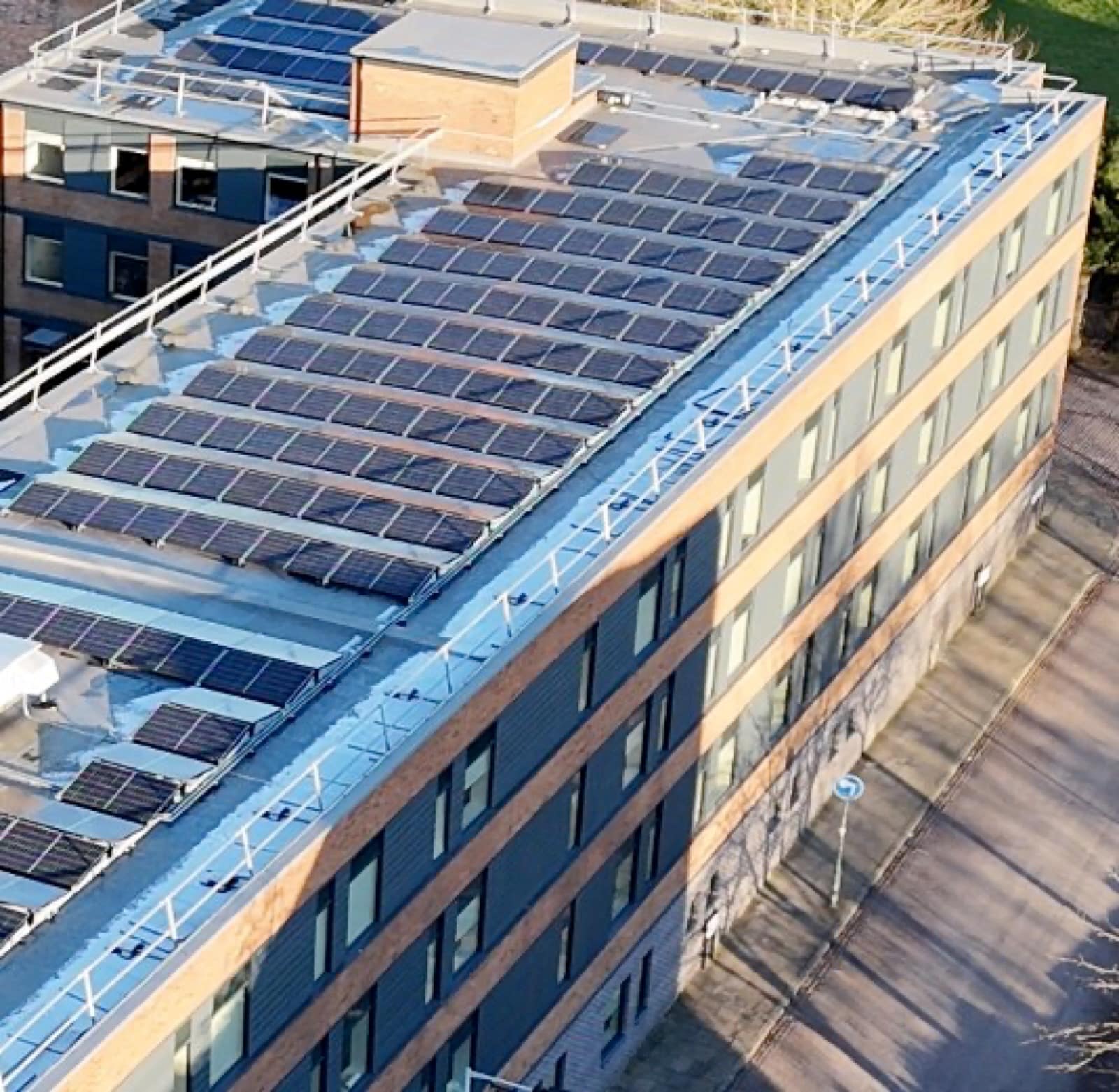
Four Elms Group
Solar PV across a UK network of automotive repair and accident management centres.
- System size
- 117.45 kWp
- Year-1 savings
- £33,632
- Payback
- 3 years
Related solutions
Commercial Solar PV
Bespoke rooftop and ground-mount solar designed to cut your bills and your scope-2 emissions.
Battery Storage
Pair storage with solar — or run it standalone — to optimise tariffs, resilience and grid revenue.
EV Charging
Full consultancy, installation and maintenance for charging at any scale, integrated with on-site generation.
Ready to model your numbers?
Five quick questions and our team will come back with a tailored proposal — CAPEX, finance, PPA or fully funded.