How can businesses unlock site capacity when the grid connection is the blocker?
By engineering capacity behind the meter — on-site generation, storage and intelligent load management — so growth, EV and electrification plans aren't gated by DNO timelines.
Unlock growth when the DNO is the blocker, not the business case.
If this is the conversation happening inside your business, you're not alone — and the symptoms below are usually the first sign.
- EV, heat or production plans stalled awaiting a grid upgrade
- DNO quotes returning with multi-year, six- or seven-figure asks
- Existing connection saturated at peak demand
- Capacity uncertainty blocking new site investment
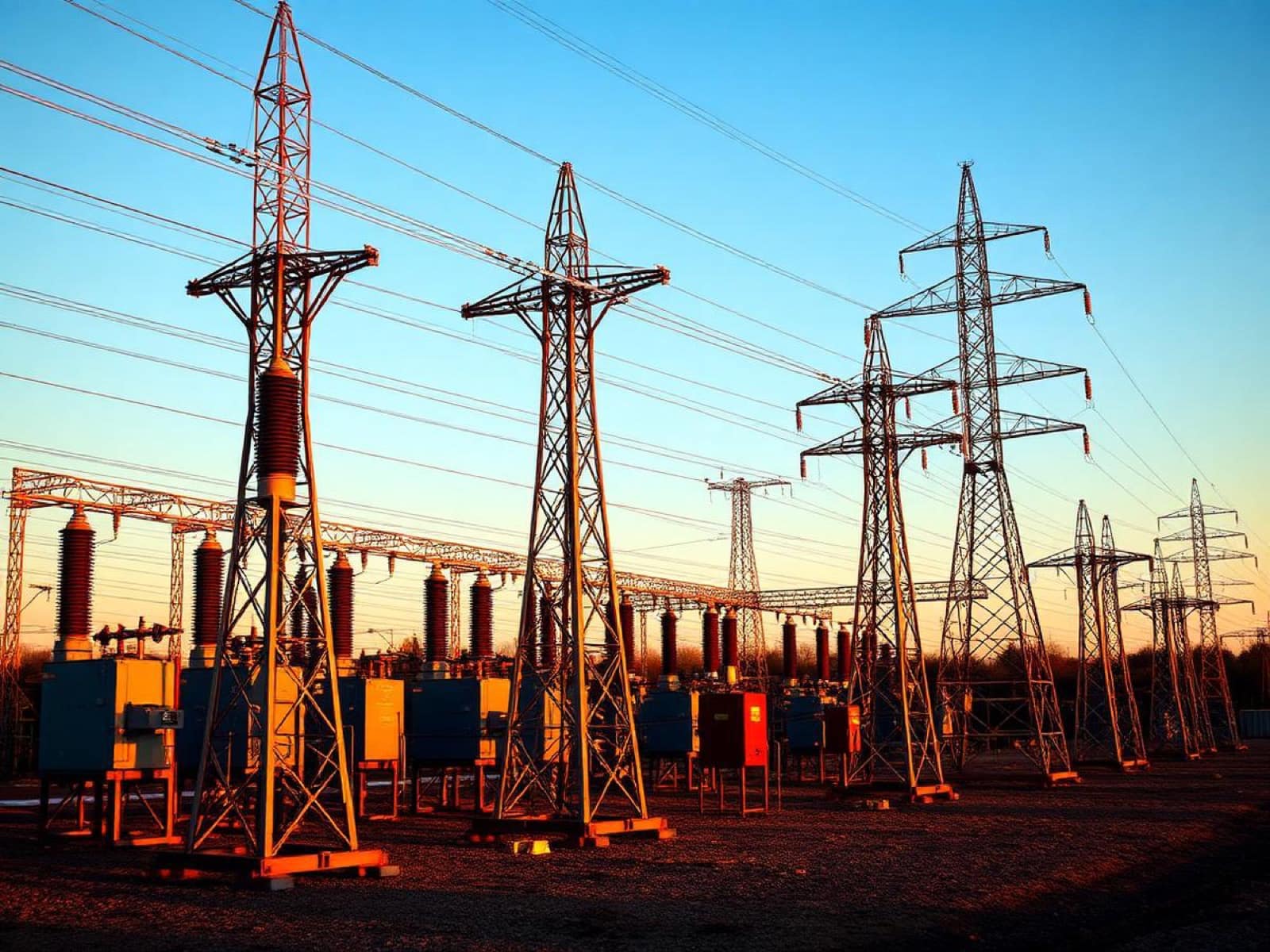
The cost of leaving this unsolved.
These aren't theoretical risks. They're the compounding business consequences we see when this challenge is left to sit.
Growth gets gated by someone else's timeline
Expansion plans, new lines, EV fleets and electrified heat all stall behind DNO connection queues measured in years.
Capital sits stranded
Vehicles, chargers and equipment ordered against capacity that hasn't been confirmed become a balance-sheet problem, not a productivity gain.
Competitive position slips
Operators who solved capacity earlier are now electrifying, decarbonising and quoting customers ahead of those who didn't.
Site-level decisions get re-litigated
Without a clear capacity strategy, every new piece of load reopens the same arguments between facilities, operations and finance.
If the grid is constrained, growth has to wait.
Most growth doesn't need a bigger grid connection. It needs a smarter site.
Behind-the-meter generation and storage routinely unlock 20–60% additional capacity without touching the DNO connection — at a fraction of the timeline and cost of reinforcement. Most sites have meaningful headroom available behind the meter — through generation, storage and intelligent load control — that is never modelled because the default response to a capacity question is a DNO quote.
Treat the DNO connection as the only capacity
Treat the whole site as the capacity envelope
Wait in the reinforcement queue
Free headroom behind the meter first
Size load against nameplate capacity
Size load against engineered headroom
Reinforce, then grow
Grow on the capacity you already have
Model the site before you call the DNO.
An integrated capacity model — generation, storage, controllable load and existing demand on one envelope — usually changes the question entirely. By the time a reinforcement quote is genuinely needed, it's a smaller, faster, cheaper one.
A clear path from problem to outcome.
Three deliberate steps, framed around the outcome each one delivers — not the engineering it takes.
- 01
Understand
Map real demand against real capacity to find the genuine constraint.
- 02
Design
Engineer headroom behind the meter through generation, storage and load control.
- 03
Deliver & optimise
Sequence new load into the freed envelope and monitor to keep within it.
What success actually looks like.
Technology benefits are easy to list. Business outcomes are what the board signs off against.
Growth plans stall behind a DNO queue. Capital is parked. Site decisions are made on guesswork.
Capacity is an engineered number, not a hope. EV, heat and production load are energised against a known envelope. Reinforcement happens only when it actually pays.
We've done this before.
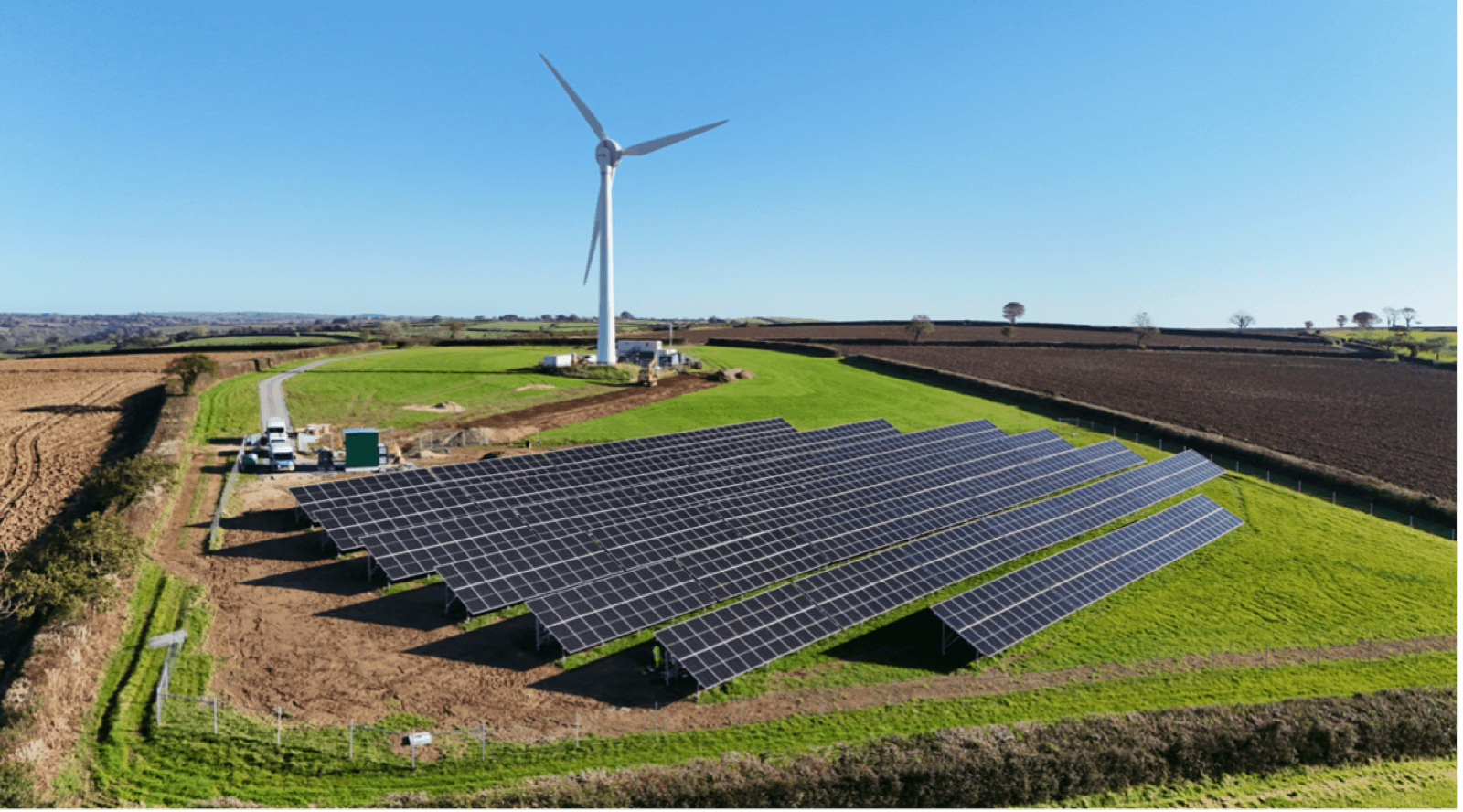
Bwlch Gwynt Solar Farm
Unlock growth when the DNO is the blocker, not the business case.
Ground-mount solar farm in Carmarthen, integrated with an existing wind turbine to create a hybrid renewable site.
576 kWp system size · Hybrid solar + wind site type
A short way to check whether this is your conversation.
If three or more of the below apply, a strategy conversation is almost always worth the time.
Frequently asked questions
Let's have a strategic conversation about your energy position.
An assessment, a benchmark, a roadmap — whichever is most useful. A short conversation with engineers who run commercial energy every day, not a sales call.