
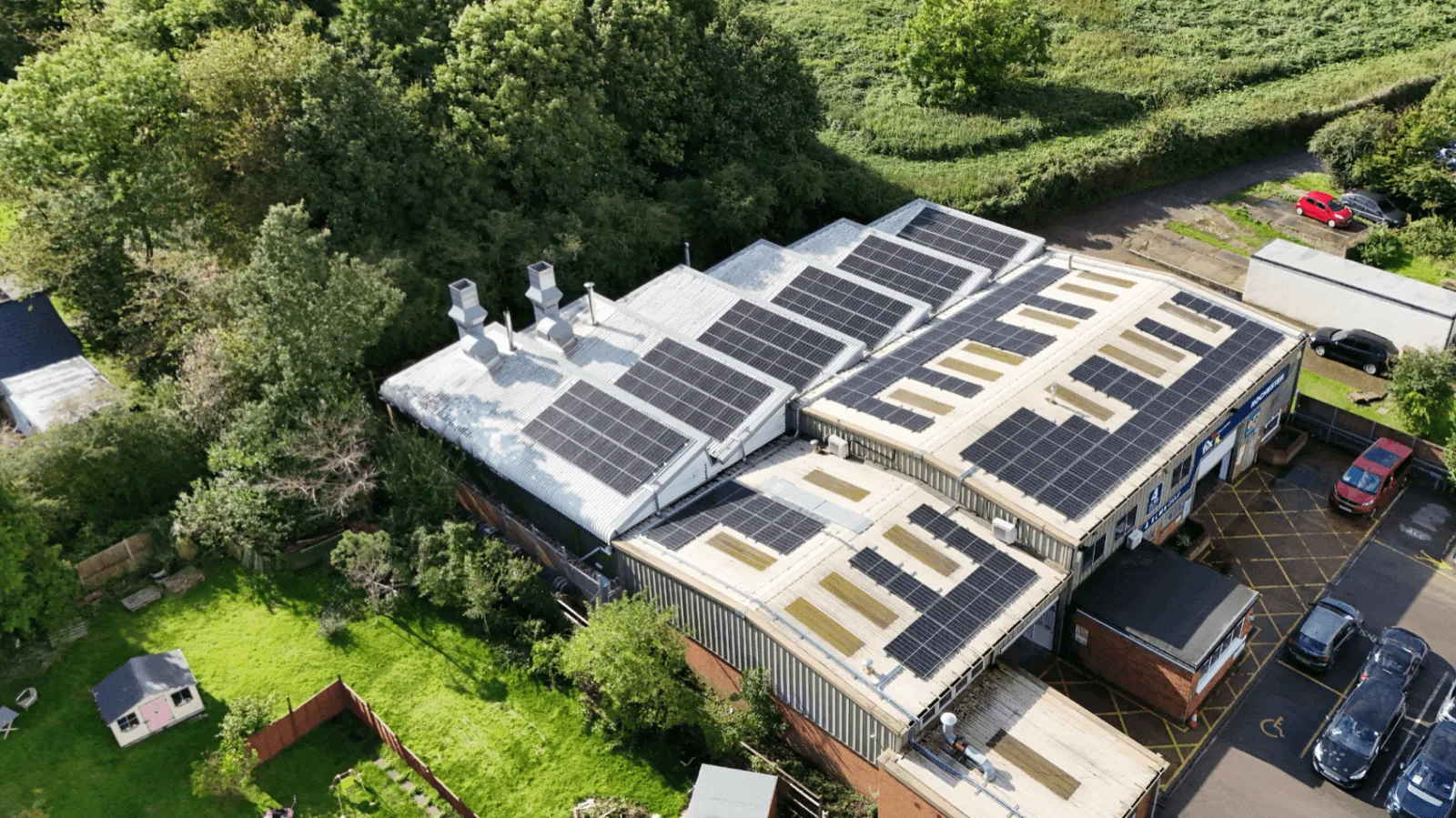
Built for the load a live forecourt actually carries.
119,000+ public EV chargers are now live across the UK, and 52% of dealers rank running costs as their top concern for the year ahead — most forecourt energy strategies weren't built for either pressure.
Solar, storage and EV charging engineered around the load of a live automotive site — whether that's forecourt, bodyshop, servicing bays or retail — with delivery planned to minimise disruption to throughput. Built for site owners, Finance Directors and Operations Managers.









What the numbers say about automotive & vehicle services right now.
119,080 public EV charging devices were live across the UK as of 1 April 2026, with 13,281 added during 2025 (DfT moved to reporting EV chargers/EVSE in 2026).
Source: DfT, Public EV charging infrastructure statistics (1 Apr 2026)
52% of public EV chargers (~61,900) are classed as 'destination' charging — car parks and hospitality/standard sites.
Source: DfT, Public EV charging infrastructure statistics (1 Apr 2026)
The Workplace Charging Scheme has funded 69,439 socket installations since 2016, with the grant rising from £350 to £500 per socket from 1 April 2026.
52% of franchised dealers ranked running costs — business rates, employer NI, energy — as their top issue for 2025.
Source: NFDA 2025 Outlook Survey
Figures are third-party sourced and current at time of publication. Each links to its original source above.
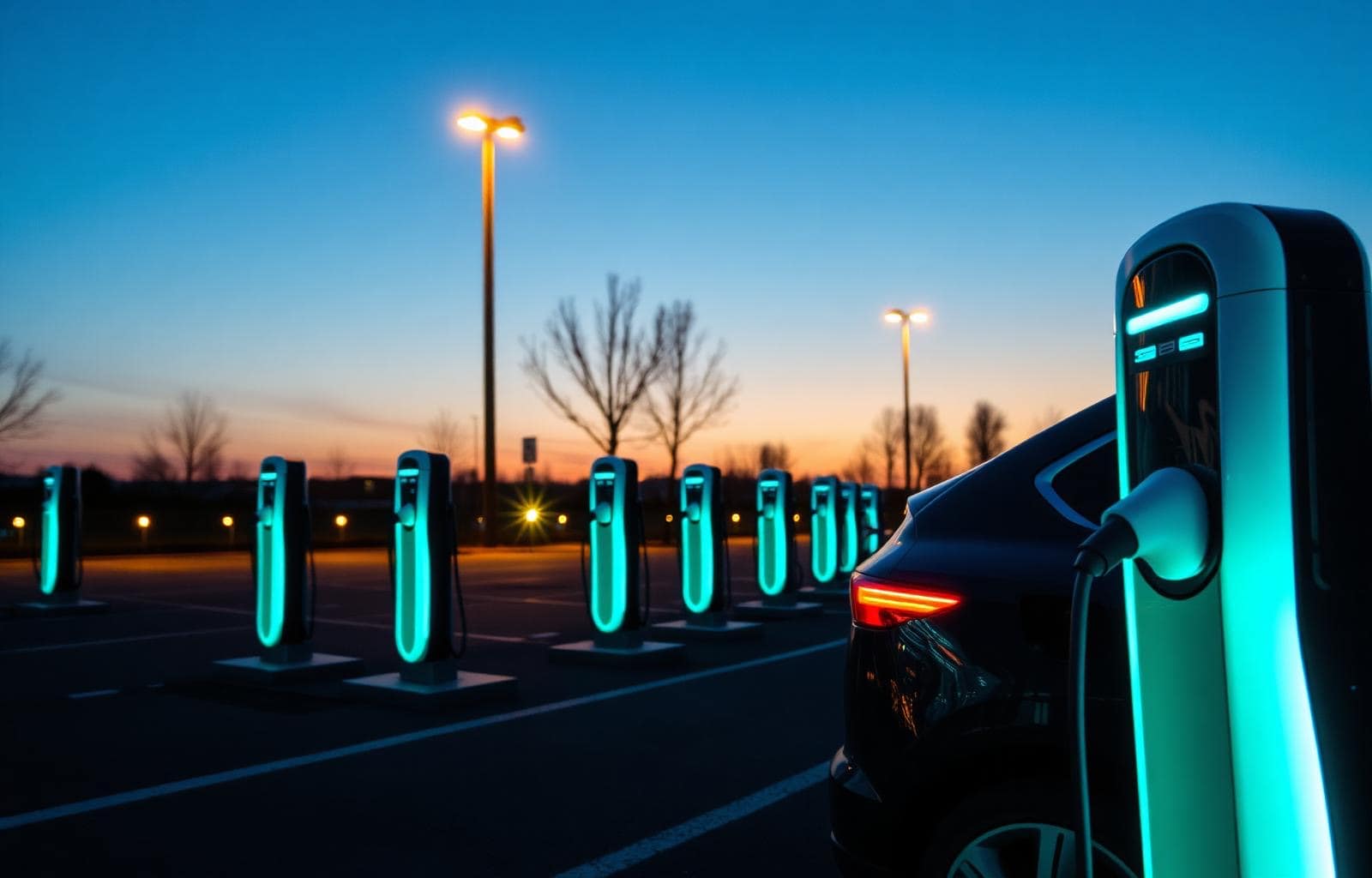
In this sector's language.
The pressures a automotive & vehicle services team actually voices — not the ones a brochure assumes.
"Our energy cost is exposed to volatility we can't pass on"
Forecourt, workshop and retail margins are thin enough that an unpredictable unit rate eats directly into profit.
"We've had three quotes — none of them join up"
One supplier for forecourt lighting, one for EV charging, one for the workshop, and none accountable for how it interacts.
"EV charging is becoming an expectation at many of our sites, not an add-on"
Adding chargers without a power strategy risks straining an already-stretched supply.
"We can't take downtime to find out if this works"
A live forecourt or servicing centre can't absorb a disruptive installation.
Where does your site actually sit?
Five quick questions. No form, no number to chase — a directional read on your real constraint, and the fastest route in.
Which of these sounds most like you?
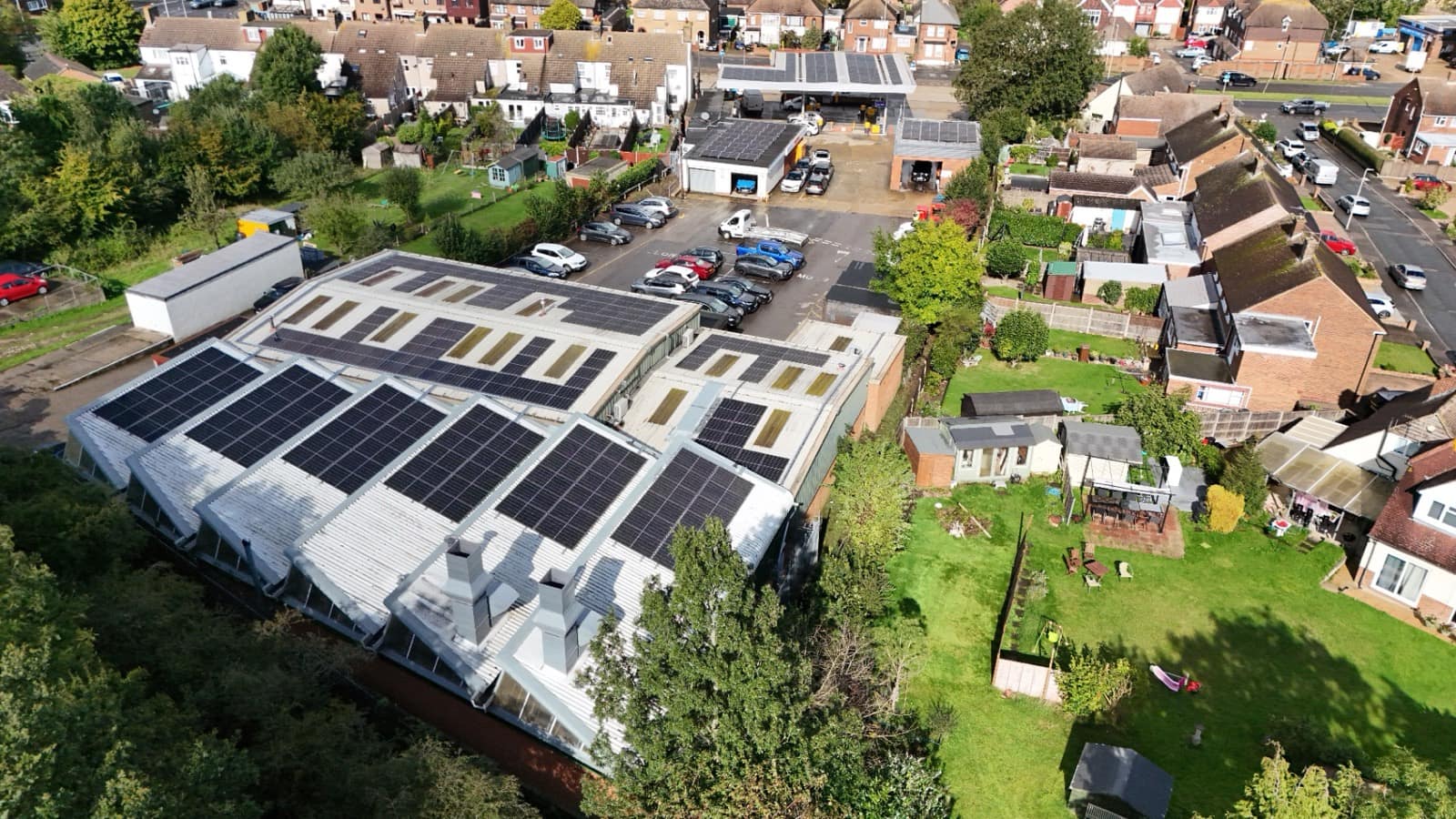
One roof, four different loads competing for supply.
Automotive sites carry an unusual mix of loads under one roof — forecourt and canopy lighting, refrigeration for convenience retail, compressors and paint booths in the workshop, and now EV charging bays competing for the same supply.
Forecourt and canopy structures
Often the best available solar real estate on site, but they need engineering sign-off most standard installers don't carry.
Workshop equipment loads
Compressors, paint booths and diagnostic equipment create spiky, high-draw demand a generic system isn't sized for.
EV charging convergence
Charging infrastructure for customers and fleet vehicles has to be designed alongside generation and storage, not added afterwards.
Retail refrigeration
Convenience retail attached to forecourts carries a continuous, forecastable load that's easy to under-size for.
The methodology — not just the claim.
- 01
Mixed-use load audit
Half-hourly consumption mapped across forecourt, workshop and retail zones separately, since they carry completely different demand profiles under one roof.
- 02
Demand-curve vs generation-curve gap analysis
Identifying where compressor, paint-booth and refrigeration loads spike against generation.
- 03
EV charging convergence assessment
Sizing charging infrastructure for customers and fleet vehicles alongside generation and storage, not as an afterthought straining an already-stretched supply.
- 04
Integrated design and phased delivery
Forecourt canopy, workshop and EV infrastructure designed as one system, with installation planned around live operations to minimise disruption to vehicle movement.
Problem, solution, outcome.
- 1 · Problem
Four Elms Group operates a busy bodyshop, servicing centre, fuel station and convenience retail operation. Significant daily energy demand and exposure to fluctuating electricity prices were increasing operating costs and creating resilience risk.
- 2 · Solution
Nuvolt engineered a 117.45 kWp system sized to the site's real, mixed-use demand profile — forecourt, workshop and retail — delivered without compromising day-to-day operations.
- 3 · Outcome
£33,632 in year-one savings on a three-year payback, with reduced exposure to fluctuating electricity prices across forecourt, servicing and retail operations.
We've done this before.
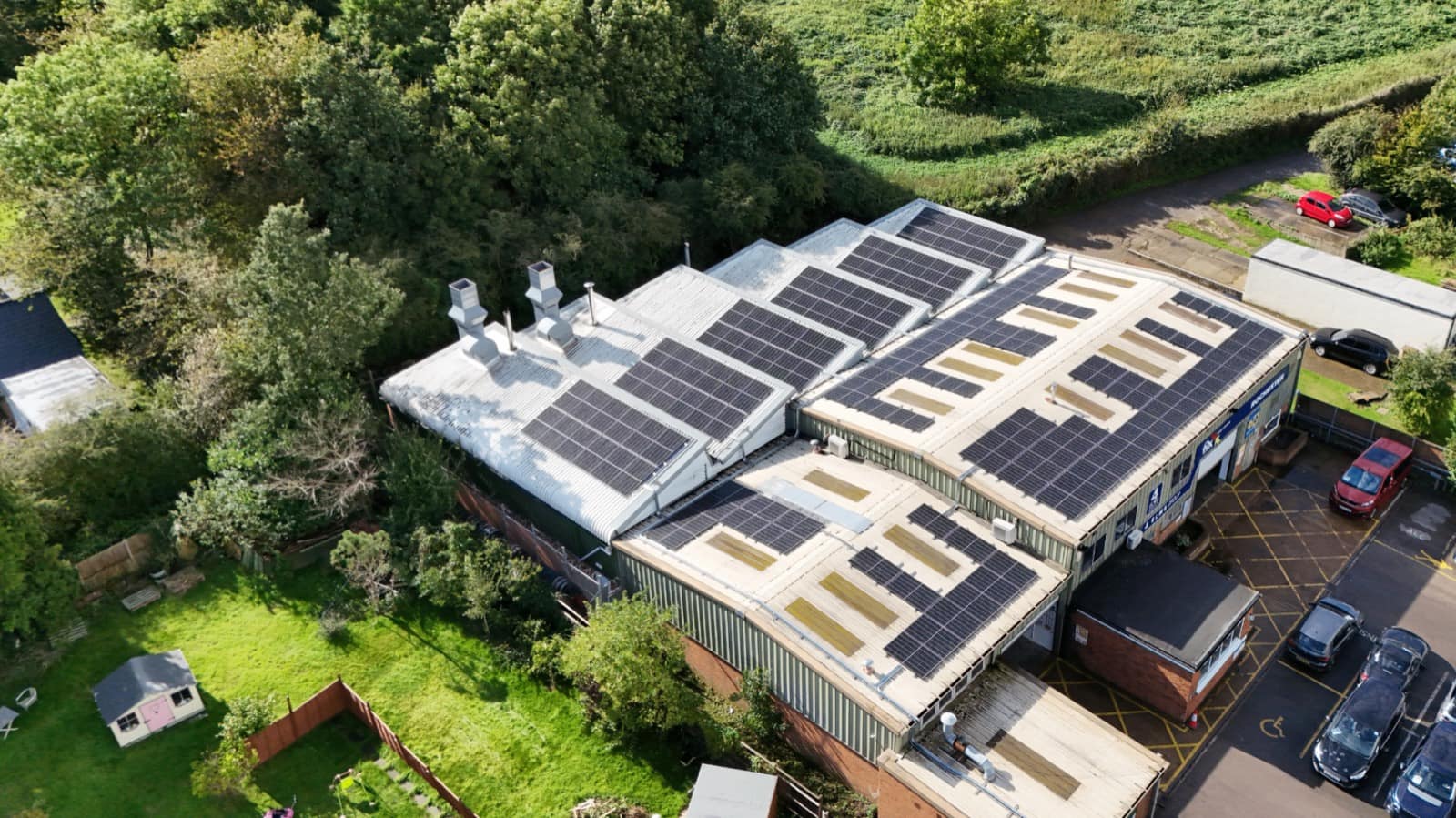
117.45 kWp solar PV sized to a busy bodyshop, servicing centre, fuel station and convenience retail operation's real mixed-use demand.
The commercial upside, in plain terms.
Keep vehicles moving through install
Installation phased around forecourt throughput and workshop scheduling — no closed bays, no interrupted trade.
Turn forecourt canopy into generation
The canopy is often the best solar real estate on site — engineered to generate rather than sit idle.
EV charging designed in, not bolted on
Customer and fleet charging sized alongside generation and storage from the start, not added onto a stretched supply.
Smooth spiky workshop demand with storage
Compressors and paint booths draw hard and fast — storage smooths those peaks instead of sizing generation to them.
Protect thin forecourt and retail margins
A fixed, self-generated cost in place of a moving unit rate you can't pass on to customers.
One partner across the whole site
Forecourt, workshop, retail and EV charging under one accountable relationship — not three or four separate suppliers.
Benefit statements are illustrative of Nuvolt's engineering approach. Project-specific figures are modelled against your own site data; sector statistics are drawn from the third-party sources cited on this page.
How we deliver it, end to end.
One accountable partner across the whole engagement — from the first load audit to lifetime operation.
A line for every role that has to sign this off.
Finance Director / CFO
A funding structure that protects thin forecourt and retail margins from unit-rate volatility, with a payback case built on this site's real mixed-use demand.
Operations Director
Installation planned around forecourt throughput and workshop scheduling, with zero-disruption delivery as a design requirement.
Sustainability Lead
Verifiable Scope 2 reduction reporting that supports wider group sustainability commitments.
Managing Director
One accountable partner across forecourt, workshop, retail and EV charging — replacing three or four separate supplier relationships.
Suited to this sector.
Funding gets equal weight to engineering. The right structure follows the business, not the other way round.
Independent dealership and forecourt operators managing tighter cash flow often favour asset finance or Energy-as-a-Service, keeping savings on the P&L from year one. Larger groups with balance-sheet strength may prefer CapEx ownership.
The objections we hear most.
The questions every automotive & vehicle services team puts to us before a first conversation — answered straight.
Still have a question? Talk to us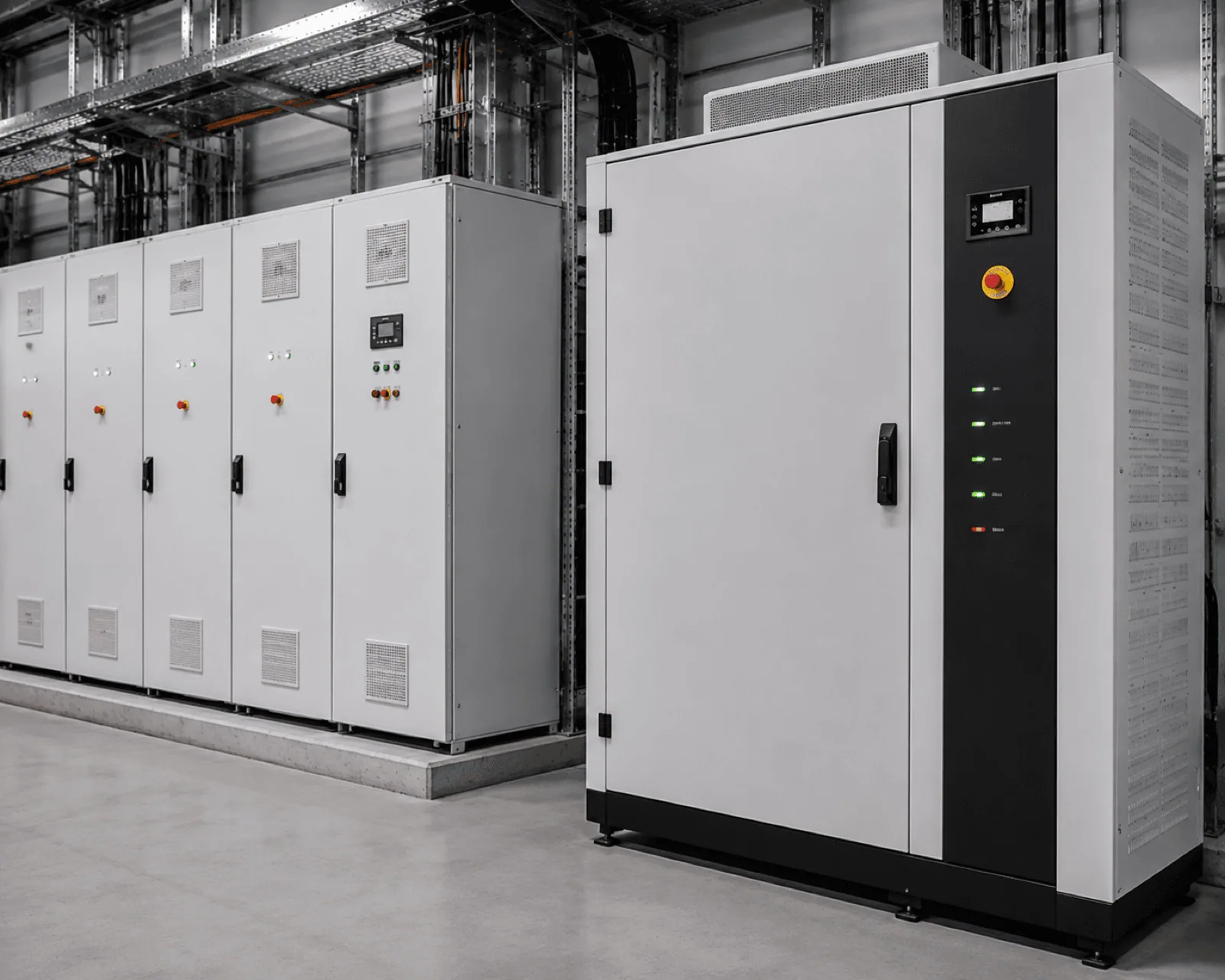
System sizing for an automotive site is driven by the mix of forecourt, workshop and retail load, and by canopy/roof structural options — not by floor area alone.
Ranges are illustrative of Nuvolt's engineering approach and must not be read as a quote, estimate or guarantee. Every site is sized against its own data.
- 1Forecourt canopies are frequently the best available array location, but require a structural assessment most generic quotes skip.
- 2Workshop equipment creates high, spiky demand that benefits from storage to smooth, rather than generation sized to the peak alone.
- 3EV charger placement and load-balancing should be planned alongside solar and storage sizing, particularly where fleet and customer charging share supply.
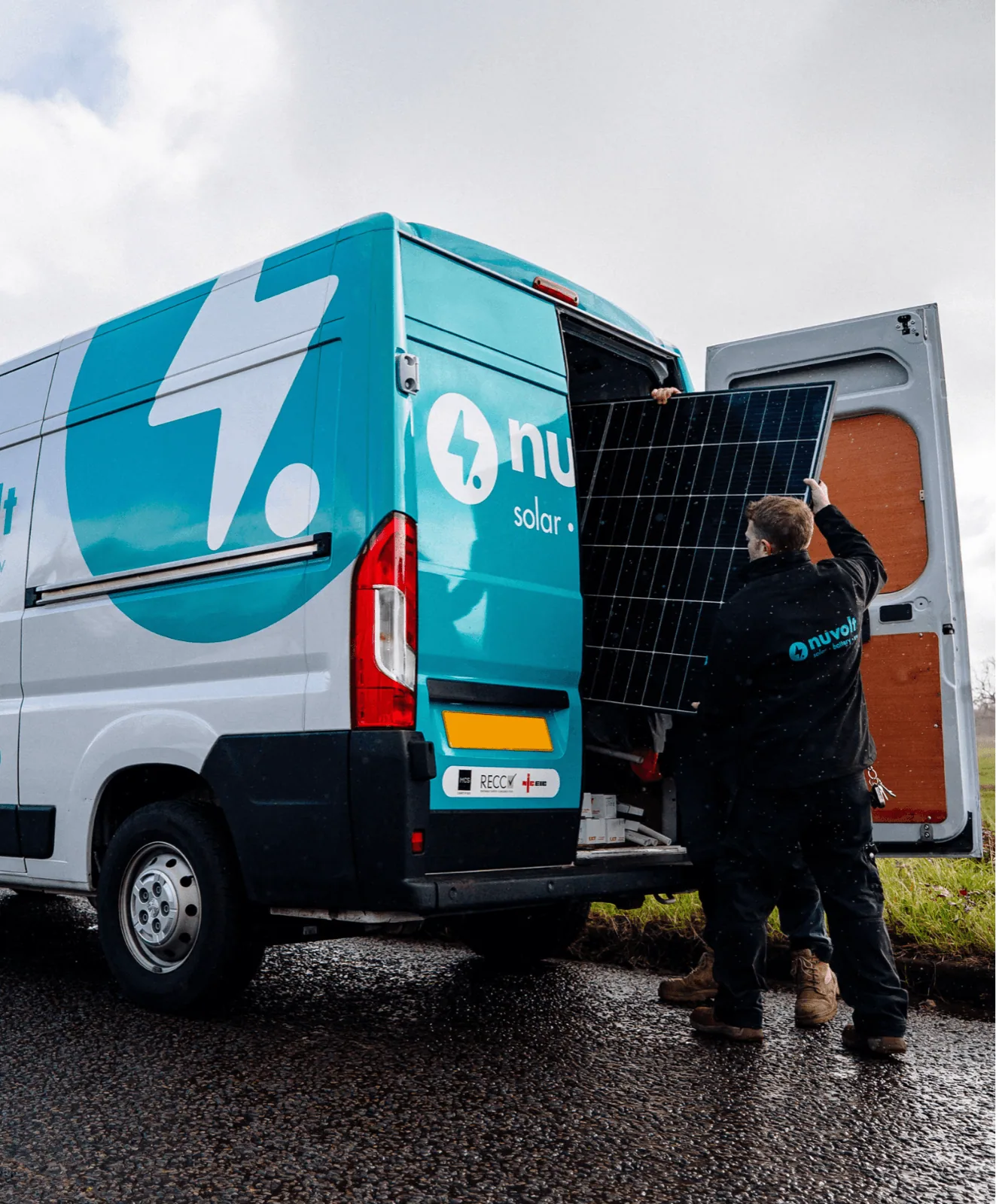
A short conversation. No quote, no pitch — a commercial view of where your automotive site's energy position actually sits.
Request a mixed-use load review. We'll map forecourt, workshop and retail demand separately, and show where EV charging can be added without straining your existing supply.
- 1Share your consumption data — or we'll help you request the half-hourly data from your supplier.
- 2We map forecourt, workshop and retail demand separately against generation potential and supply headroom.
- 3You get a commercial read on your energy position — before any system size or funding route is discussed.
Let's have a strategic conversation about your energy position.
An assessment, a benchmark, a roadmap — whichever is most useful. A short conversation with engineers who run commercial energy every day, not a sales call.