
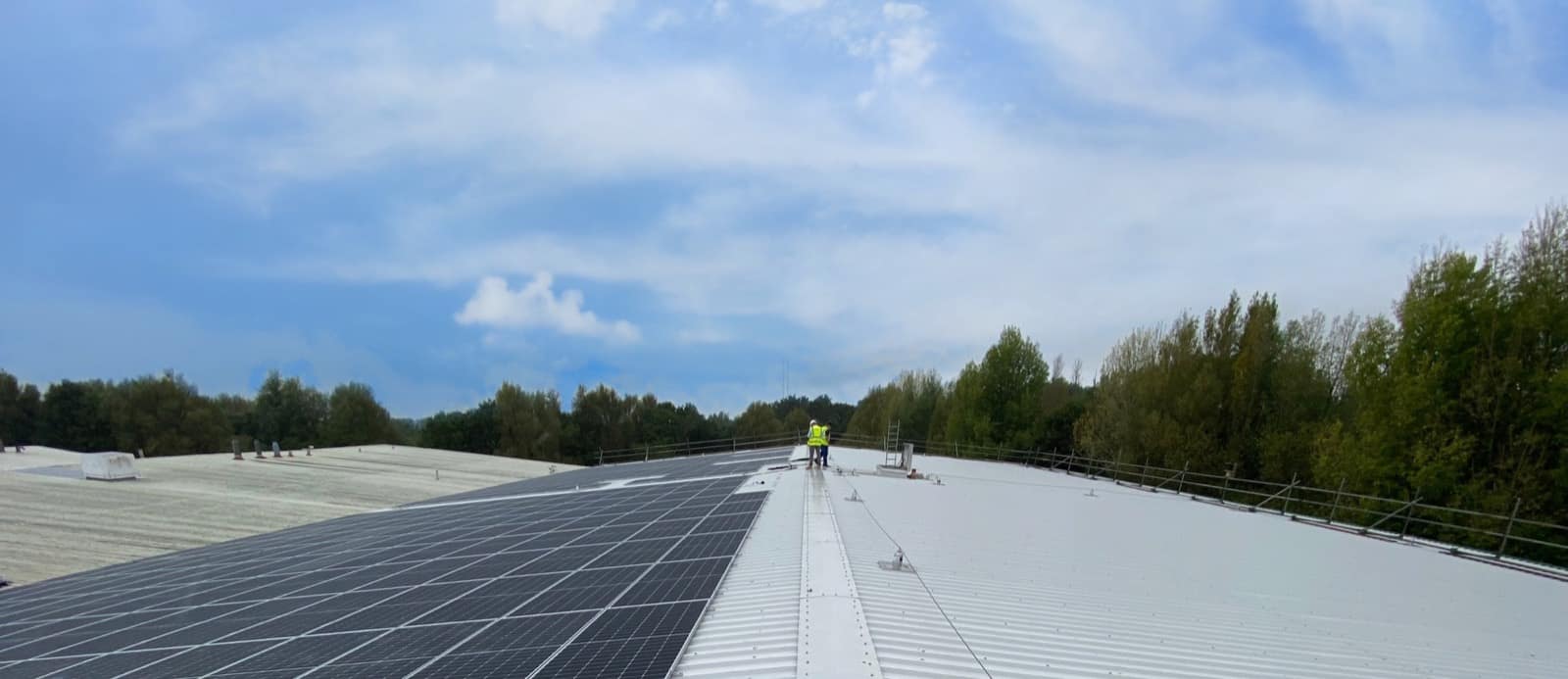
Sized to your term, not the summer surplus.
Schools operate around 190 pupil days a year, while solar generation peaks during the summer holiday period — that mismatch needs to be designed around, and generic solar quotes rarely do.
Solar infrastructure engineered around the academic calendar, safeguarding access and school-budget cycles — not a generic commercial demand curve. Built for business managers, trustees and estates leads across schools and multi-academy trusts.









What the numbers say about education right now.
Average school energy spend per pupil rose to £134 in 2023, up from £69 in 2021 — nearly double in two years.
Source: SchoolDash, via Tes
DfE's own benchmarking found a typical school could cut energy costs by ~10–25% by switching to its Energy for Schools framework (≈10–15% electricity, 24–25% gas).
The average secondary school uses 60% of its electricity outside school hours — and with around 190 pupil days a year, a large share of consumption falls outside term-time occupancy.
100 schools have installed Great British Energy-funded solar, with ~250 schools and colleges due to have panels by summer 2026 — part of £255m total government/GBE investment across schools, NHS and military sites.
Source: GOV.UK / DESNZ / GBE
Figures are third-party sourced and current at time of publication. Each links to its original source above.
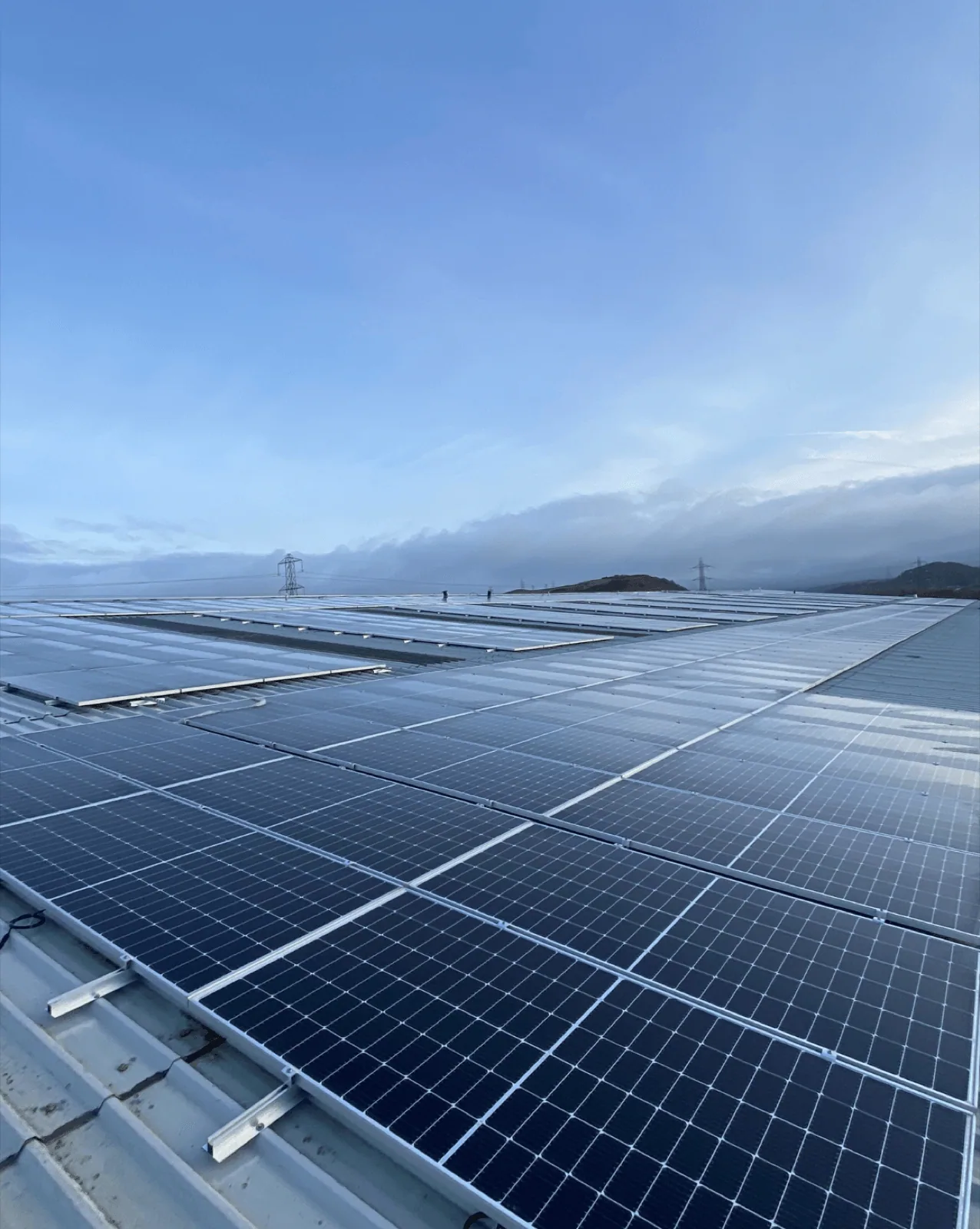
In this sector's language.
The pressures a education team actually voices — not the ones a brochure assumes.
"Our generation peaks in the summer holidays, when the building's empty"
A badly sized system exports most of its value instead of offsetting the school's own costs.
"Access has to respect safeguarding"
Contractor access on a live school site isn't the same as a commercial building.
"Our budget cycle runs on the academic year, not the calendar year"
Capital decisions have to fit governor and trust budget-setting timetables.
"We've committed to Net Zero but have no commercial roadmap"
A costed plan for governors and trustees, not a sustainability assembly slide.
Where does your site actually sit?
Five quick questions. No form, no number to chase — a directional read on your real constraint, and the fastest route in.
Which of these sounds most like you?
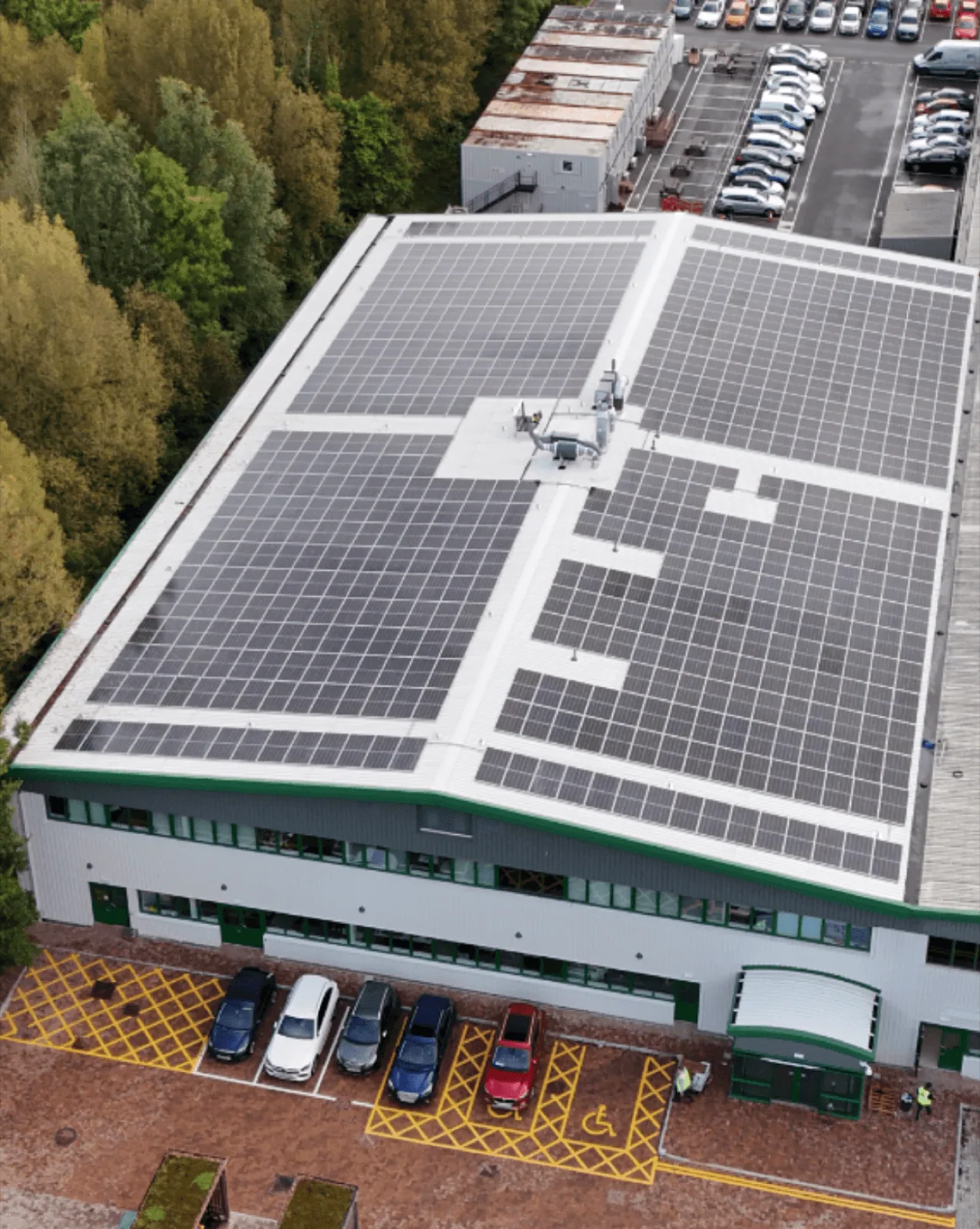
Term-time demand and summer generation don't line up.
Education sites have a demand pattern that differs markedly from a typical always-on commercial building — term-time occupancy drives demand, but the building often sits emptiest during peak summer generation.
Holiday-period demand mismatch
Sizing has to account for the building being at its lowest occupancy exactly when solar generation is highest.
Safeguarding-compliant access
Contractor scheduling and site access have to work within safeguarding requirements a standard commercial site doesn't have.
Term-time load profile
Classrooms, kitchens and sports facilities create a demand curve tied to the school day and academic calendar.
Governor and trust decision cycles
Capital approval often runs through a governing body or multi-academy trust board on its own timetable.
The methodology — not just the claim.
- 01
Term-time demand audit
Half-hourly consumption mapped against the academic calendar, not a flat annual figure that ignores the holiday-period mismatch.
- 02
Demand-curve vs generation-curve gap analysis
Identifying exactly how much summer-holiday surplus is best matched by storage or export — surplus exported at a lower value than self-consumption, rather than lost.
- 03
Safeguarding-compliant delivery assessment
Planning contractor access and installation phasing around the school day and safeguarding requirements from the outset.
- 04
Integrated design across the estate
For multi-academy trusts, one design standard applied across sites to reduce the cost and complexity of a wider rollout.
Problem, solution, outcome.
- 1 · Problem
Frenchay C of E Primary School was developed as one of South Gloucestershire's first Passivhaus-standard schools, designed to achieve exceptional energy performance and support long-term carbon reduction objectives. The challenge was integrating renewable generation within a complex new-build educational environment.
- 2 · Solution
Nuvolt delivered a 53.1 kWp solar system alongside mechanical and electrical re-instatement, engineered as one coordinated system rather than a bolt-on to the building's core services.
- 3 · Outcome
A Passivhaus-standard school with renewable generation and building services performing as a single coordinated system, supporting the school's long-term carbon reduction objectives from day one.
We've done this before.
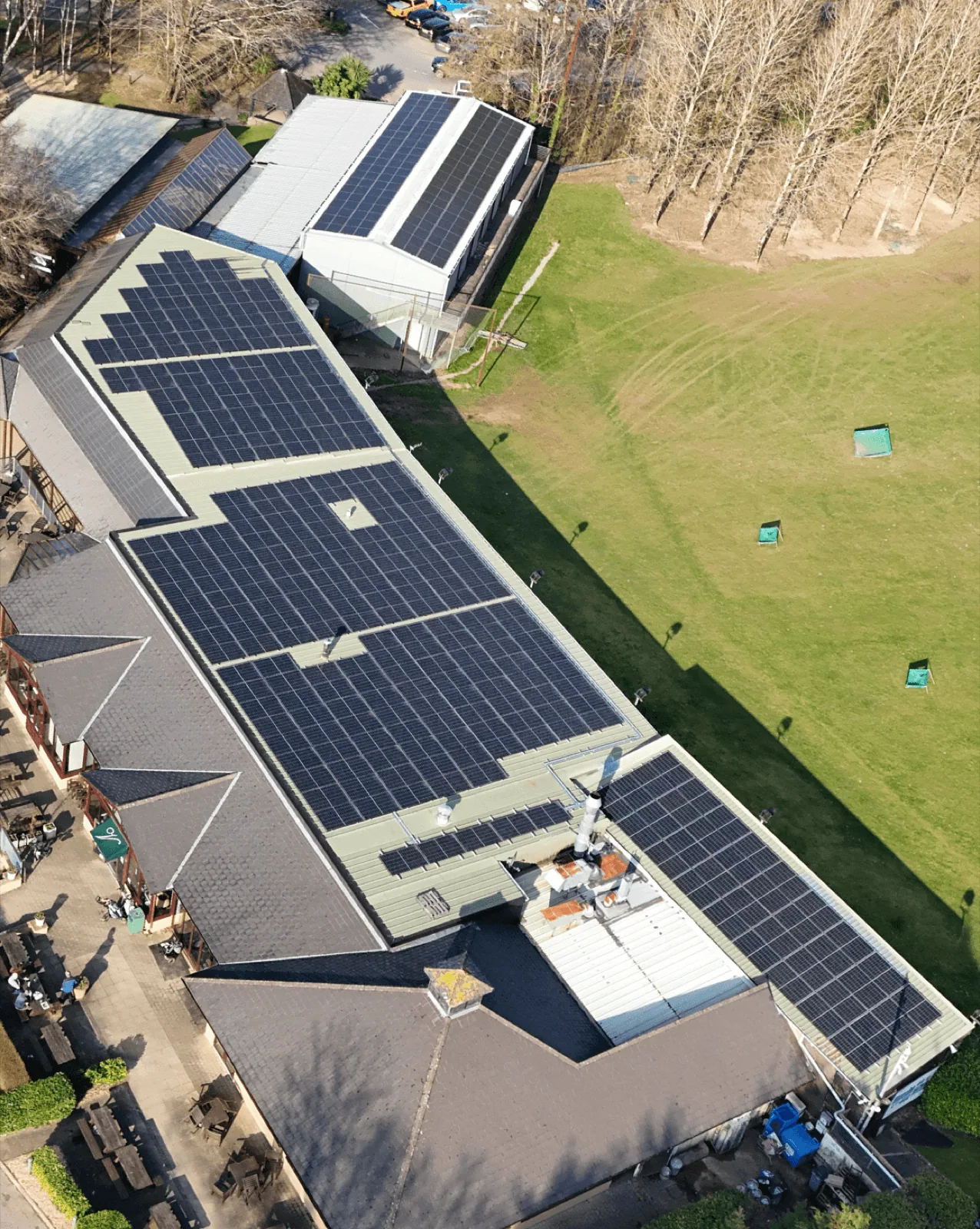
One of South Gloucestershire's first Passivhaus-standard schools — 53.1 kWp solar PV delivered alongside M&E re-instatement as one coordinated system.
The commercial upside, in plain terms.
Sized to term-time demand, not summer surplus
Generation matched to when classrooms, kitchens and sports facilities actually draw power — not the empty-building summer peak.
Access planned around safeguarding and the school day
Contractor scheduling and site access designed to respect safeguarding requirements and the rhythm of the school day.
Funding that fits the academic-year budget cycle
A funding structure timed to governor and trust budget-setting, without demanding capital the school doesn't have.
A costed plan governors and trustees can approve
A phased, costed roadmap that survives governance scrutiny — not a sustainability-week assembly slide.
One design standard across a MAT
A single design template applied across a multi-academy trust, keeping an estate-wide rollout manageable at scale.
Solar and M&E as one coordinated system
Generation and the building's mechanical and electrical services engineered together, as delivered at Frenchay.
Benefit statements are illustrative of Nuvolt's engineering approach. Project-specific figures are modelled against your own site data; sector statistics are drawn from the third-party sources cited on this page.
How we deliver it, end to end.
One accountable partner across the whole engagement — from the first load audit to lifetime operation.
A line for every role that has to sign this off.
Finance Director / CFO
A funding structure that fits an academic-year budget cycle and governor or trust approval process, without demanding capital the school doesn't have.
Operations Director
Installation and ongoing access planned around safeguarding requirements and the school day, not standard commercial hours.
Sustainability Lead
A costed, phased plan for governors and trustees that survives scrutiny — not a sustainability-week assembly slide.
Managing Director
One accountable partner across generation and the building's wider mechanical and electrical systems, rather than a solar installer with no responsibility for how it integrates.
Suited to this sector.
Funding gets equal weight to engineering. The right structure follows the business, not the other way round.
Individual schools and multi-academy trusts are among Nuvolt's clearest cases for Energy-as-a-Service, since capital budgets are typically the hardest constraint in this sector. Where capital is available, asset finance keeps savings on the budget from year one.
The objections we hear most.
The questions every education team puts to us before a first conversation — answered straight.
Still have a question? Talk to us
System sizing for a school is driven by the academic calendar and term-time demand curve, not roof area alone.
Ranges are illustrative of Nuvolt's engineering approach and must not be read as a quote, estimate or guarantee. Every site is sized against its own data.
- 1Generation sized against term-time demand, with a clear plan for holiday-period surplus (export or storage) rather than an unaddressed mismatch.
- 2New-build and major refurbishment projects benefit from solar and M&E being designed as one coordinated system, as at Frenchay.
- 3Multi-academy trusts can apply one design standard across several sites, reducing the cost and complexity of an estate-wide rollout.
A short conversation. No quote, no pitch — a commercial view of where your school's or trust's energy position actually sits.
Request a term-time energy review. We'll map your school's or trust's real demand curve against the academic calendar, and show what a holiday-period-aware system actually looks like.
- 1Share your consumption data and term dates — or we'll help you request the half-hourly data from your supplier.
- 2We map your real demand curve against generation potential and the academic calendar.
- 3You get a commercial read on your energy position — before any system size or funding route is discussed.
Let's have a strategic conversation about your energy position.
An assessment, a benchmark, a roadmap — whichever is most useful. A short conversation with engineers who run commercial energy every day, not a sales call.