Continuity of care isn't optional. Neither is resilience.
Care providers saw energy costs rise 683% between August 2021 and August 2022 — and in a major grid outage, care settings have no guaranteed priority protection.
Solar and battery storage engineered around continuous care delivery, resident wellbeing and infection-control access — built for the Operations Directors, Finance Directors and Sustainability Leads running healthcare and care provision.







What the numbers say about healthcare right now.
Care providers saw energy costs rise 683% in a year — from £660 per bed (Aug 2021) to £5,166 per bed (Aug 2022).
Source: Care England
The UK care sector spends approximately £550 million a year on energy.
Aggregated operating margins for adult specialist care home groups fell from 27% (pre-austerity) to 15% in statutory accounts to 2024.
Source: LaingBuisson, Adult Specialist Care UK Market Report (7th ed.)
A DHSC scoping paper found that in a reasonable worst-case national outage, no sites — including hospitals — would be protected in the first 48–72 hours.
Figures are third-party sourced and current at time of publication. Each links to its original source above.
In this sector's language.
The pressures a healthcare team actually voices — not the ones a brochure assumes.
"Our energy cost is no longer forecastable, and margins are already thin"
Rising electricity costs compete directly with care budgets on a site that can't cut consumption without cutting care.
"We can't risk continuity of supply"
Residents rely on continuous power for comfort, care equipment and basic safety.
"Access has to respect infection control and safeguarding"
Contractor access has to work within care-setting protocols, not standard commercial hours.
"We've committed to Net Zero but have no commercial roadmap"
Care providers are increasingly expected to demonstrate ESG performance to commissioners and regulators.
Where does your site actually sit?
Five quick questions. No form, no number to chase — a directional read on your real constraint, and the fastest route in.
Which of these sounds most like you?
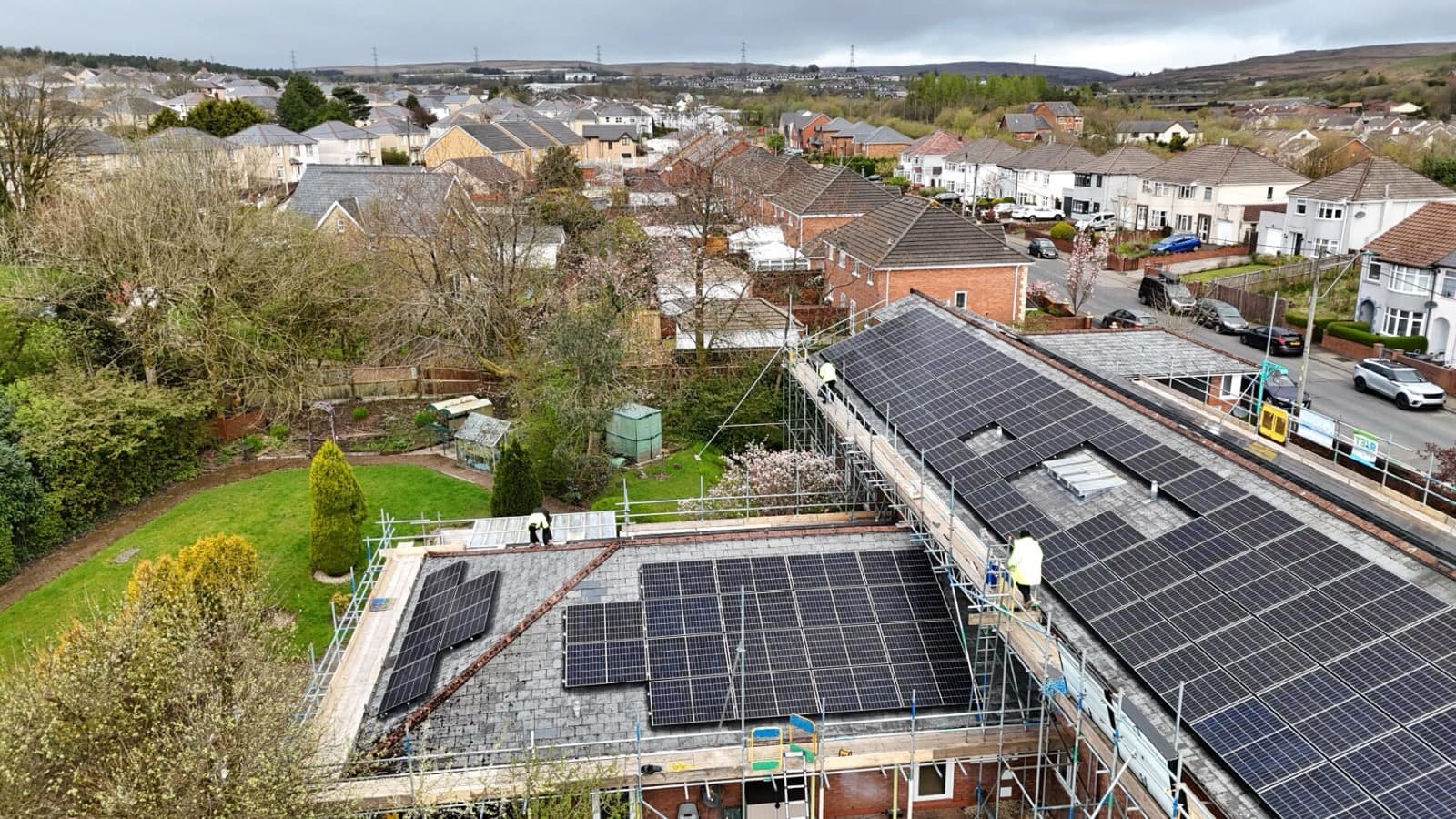
Continuous demand shapes every design decision here.
Care settings carry a resilience requirement most commercial installers aren't set up to work within — continuous power for resident wellbeing and care equipment, combined with access and safeguarding constraints a standard site doesn't have.
Storage sized to round-the-clock demand
Continuous baseline load makes storage central to closing the gap between generation and 24/7 demand; where outage backup is required, islanding and essential-load design is scoped separately.
Infection control and safeguarding access
Contractor scheduling has to work within care-setting protocols, not standard commercial hours.
Resident comfort and safety loads
Heating, hot water and care equipment create a continuous baseline demand that doesn't fluctuate with a trading calendar.
Budget pressure
Care providers operate on tighter margins than most commercial sectors, making the funding conversation as important as the engineering.
The methodology — not just the claim.
- 01
Continuous-demand audit
Half-hourly consumption mapped against 24/7 care delivery, not a standard commercial demand curve.
- 02
Resilience-first gap analysis
Sizing battery storage to the continuous round-the-clock load, closing the gap between generation and 24/7 demand — with any grid-outage backup requirement (islanding, essential loads) assessed separately.
- 03
Safeguarding and infection-control access assessment
Planning installation and ongoing access around care-setting protocols before any work begins.
- 04
Integrated design and phased delivery
Solar and storage designed as one system, with installation planned around residents and care routines to minimise disruption.
Problem, solution, outcome.
- 1 · Problem
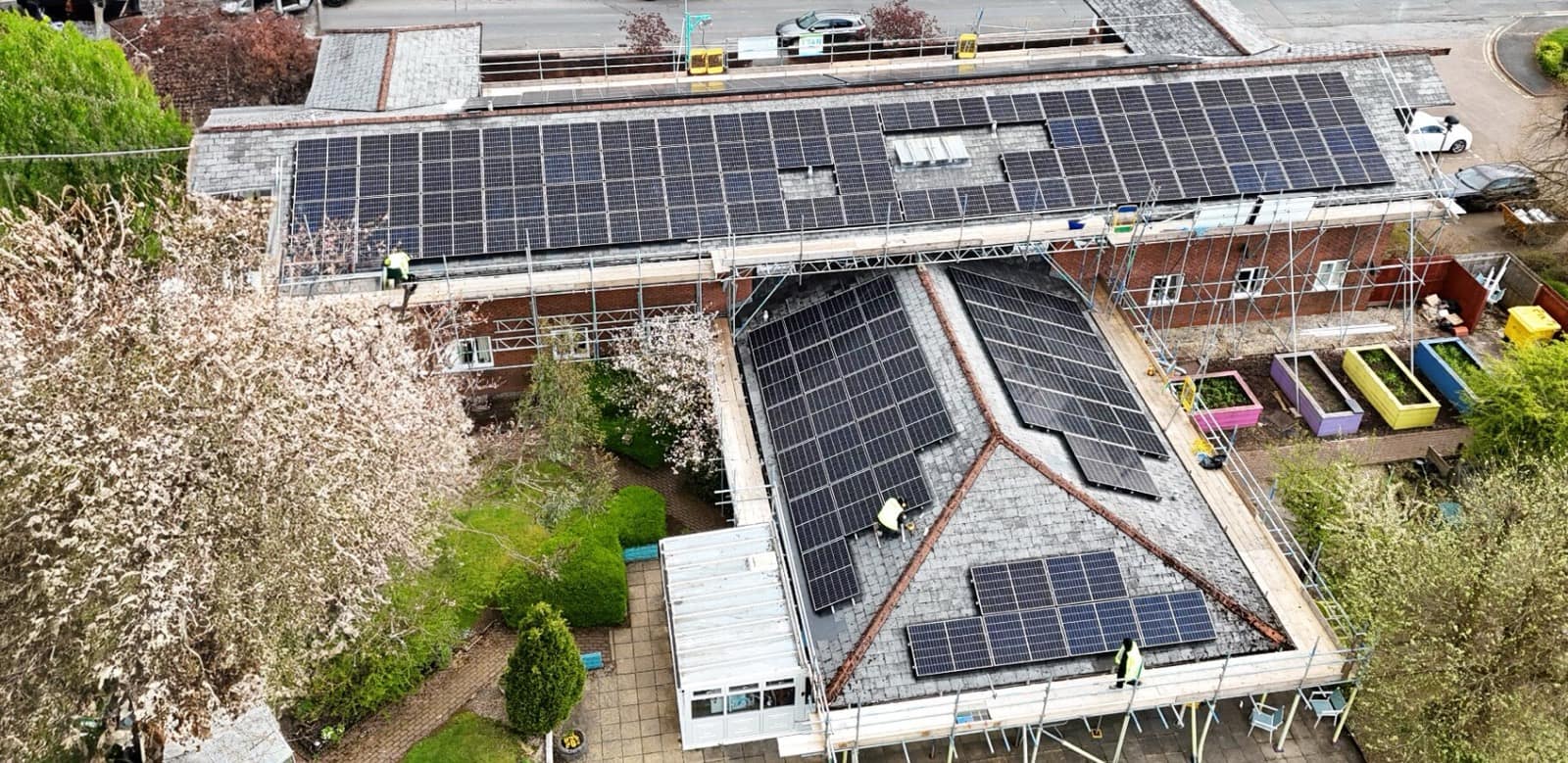
As one of the UK's largest employee-owned care providers, Shaw Healthcare operates facilities that rely on continuous access to energy for resident comfort, wellbeing and day-to-day care delivery. Rising electricity costs and market volatility were increasing operating expenditure.
- 2 · Solution
Nuvolt engineered a 76.54 kW solar PV system designed to cut grid reliance across a site delivering continuous care.
- 3 · Outcome
A 2.4-year payback, with improved long-term energy resilience and reduced operating expenditure supporting the provider's wider sustainability objectives.
We've done this before.
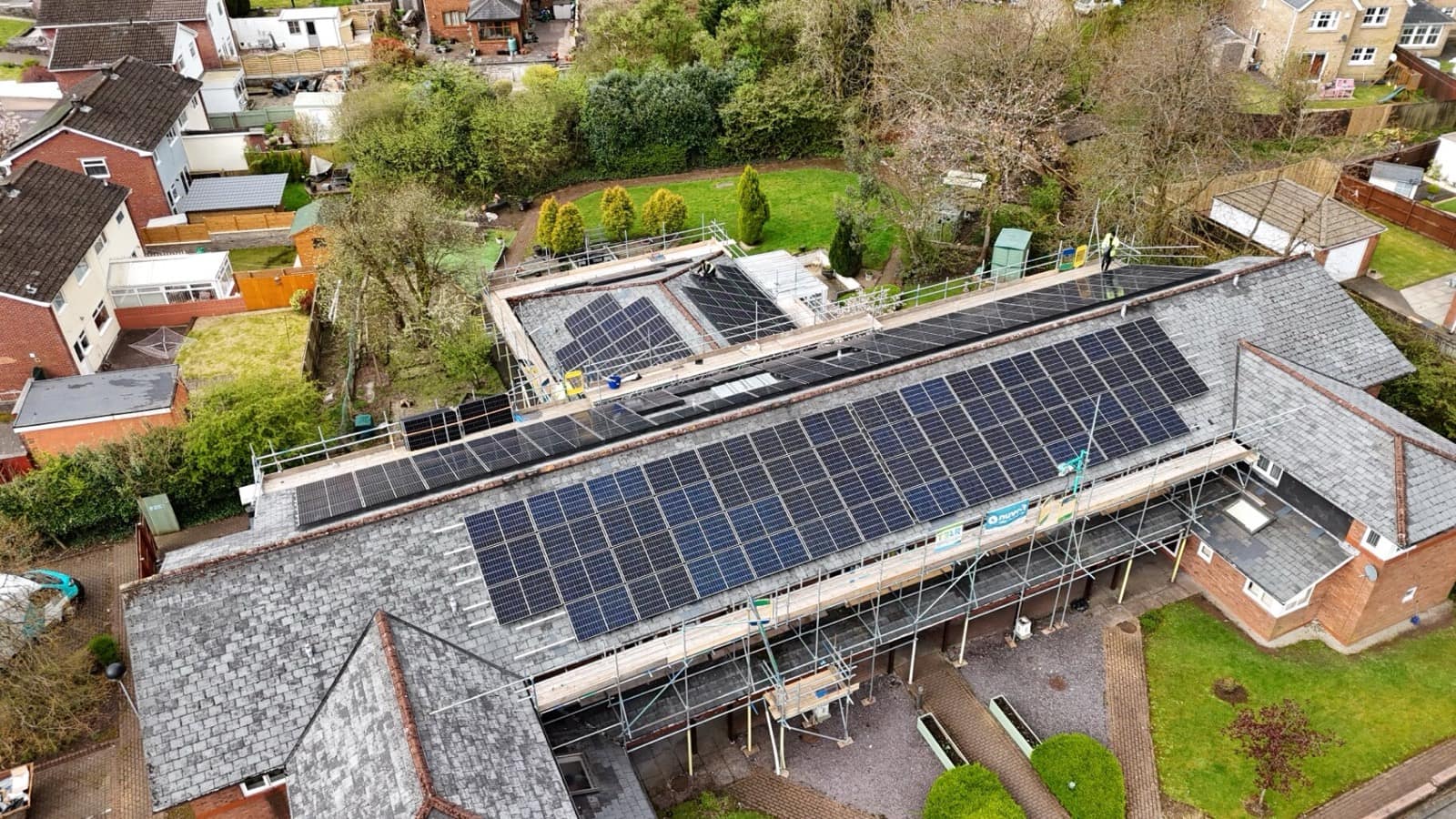
76.54 kW of solar PV, designed around continuous care delivery.
The commercial upside, in plain terms.
Designed around continuous demand
Solar and storage engineered around your 24/7 load from the start, with any backup-power requirement assessed and specified separately rather than assumed.
Access planned around infection control & safeguarding
Installation and ongoing work scheduled within your care-setting protocols, not standard commercial hours.
Fast, verifiable payback
A payback case built on real consumption — 2.4 years at Shaw Healthcare, verified rather than projected.
Zero-CapEx route protects care budgets
Energy-as-a-Service removes the upfront capital question, so a resilience project doesn't compete with the care budget.
ESG that survives commissioner scrutiny
Emissions reduction reported against verifiable metering, built to stand up to commissioner and regulator review.
One accountable partner, whole-life
A single partner for the life of the asset — in a care setting, an unaccountable subcontractor is a genuine operational risk.
Benefit statements are illustrative of Nuvolt's engineering approach. Project-specific figures are modelled against your own site data; sector statistics are drawn from the third-party sources cited on this page.
How we deliver it, end to end.
One accountable partner across the whole engagement — from the first load audit to lifetime operation.
A line for every role that has to sign this off.
Finance Director / CFO
A funding structure that respects tight care-sector margins, with a fast, verifiable payback — 2.4 years at Shaw Healthcare.
Operations Director
Installation and ongoing operation planned around infection control, safeguarding and resident routines, with continuity of supply protected by design.
Sustainability Lead
ESG reporting that stands up to commissioner and regulator scrutiny, evidencing real operational change.
Managing Director
One accountable partner for the life of the asset, in a sector where an unaccountable subcontractor is a genuine operational risk.
Suited to this sector.
Funding gets equal weight to engineering. The right structure follows the business, not the other way round.
Care providers operating on constrained margins are Nuvolt's clearest case for Energy-as-a-Service — zero CapEx, a fixed unit rate below the current tariff, removing capital allocation as the reason a resilience-improving project stalls.
The objections we hear most.
The questions every healthcare team puts to us before a first conversation — answered straight.
Still have a question? Talk to us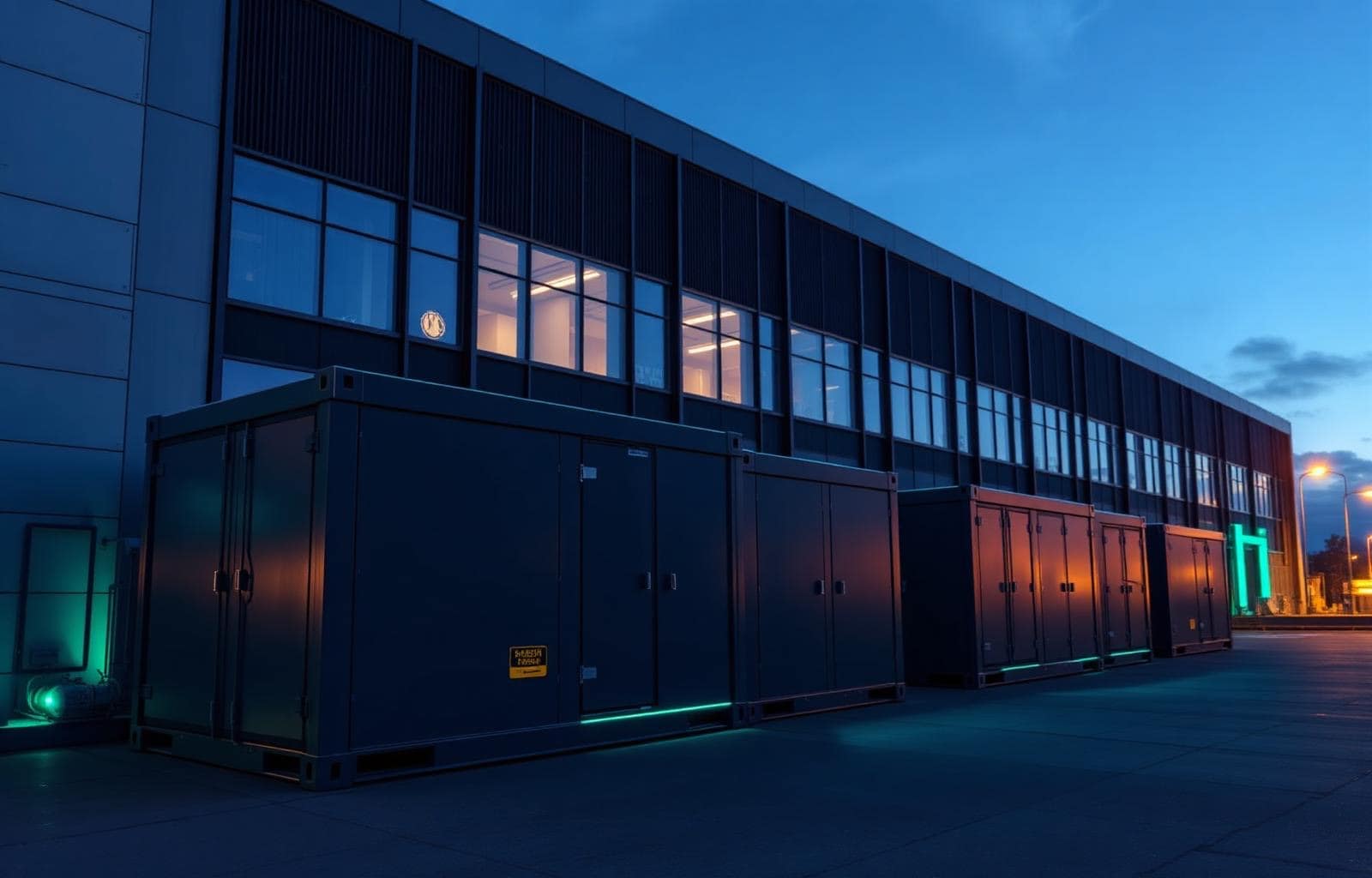
System sizing for a care setting is driven by continuous baseline demand and resilience requirements, not roof area alone.
Ranges are illustrative of Nuvolt's engineering approach and must not be read as a quote, estimate or guarantee. Every site is sized against its own data.
- 1Battery storage typically plays a larger role here than in other sectors, sized to a continuous round-the-clock baseline load. Protection during a grid outage is a separate requirement, delivered through dedicated backup, islanding and essential-load arrangements where specified.
- 2Installation is phased around occupied care settings, with access windows agreed in advance to respect resident routines and safeguarding requirements.
- 3Combined solar-and-storage system design (as at Shaw Healthcare) is the more common pattern in this sector than solar alone.
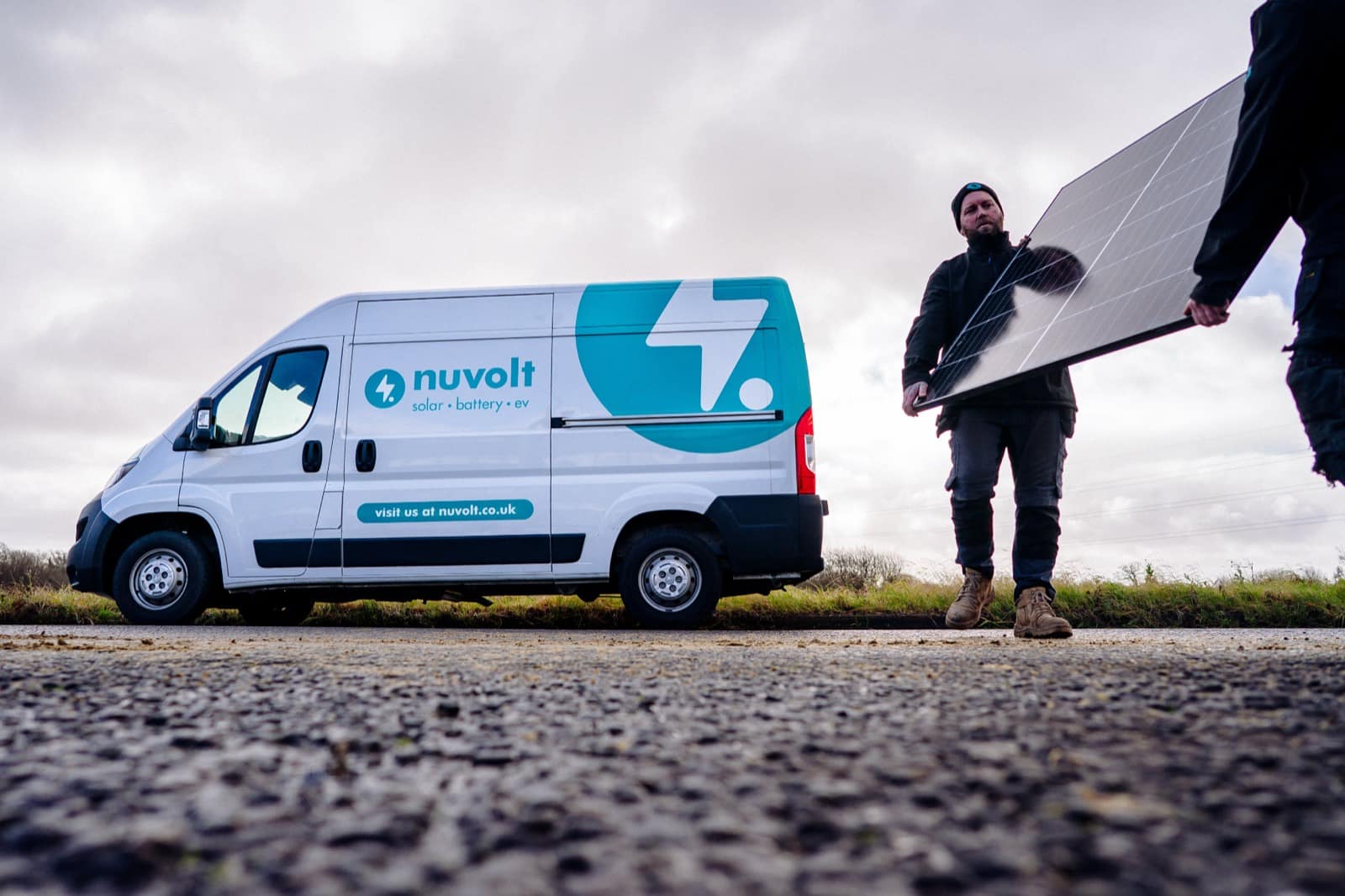
A short conversation. No quote, no pitch — a commercial view of where your care setting's energy resilience and cost position actually sits.
Request a continuity-focused energy review. We'll assess how solar and storage can protect supply to your setting, and what that looks like funded without upfront capital.
- 1Share your consumption data — or we'll help you request the half-hourly data from your supplier.
- 2We map your real 24/7 demand curve and size battery storage to protect continuity of supply.
- 3You get a commercial read on resilience and cost — funded with or without upfront capital.
Let's have a strategic conversation about your energy position.
An assessment, a benchmark, a roadmap — whichever is most useful. A short conversation with engineers who run commercial energy every day, not a sales call.