
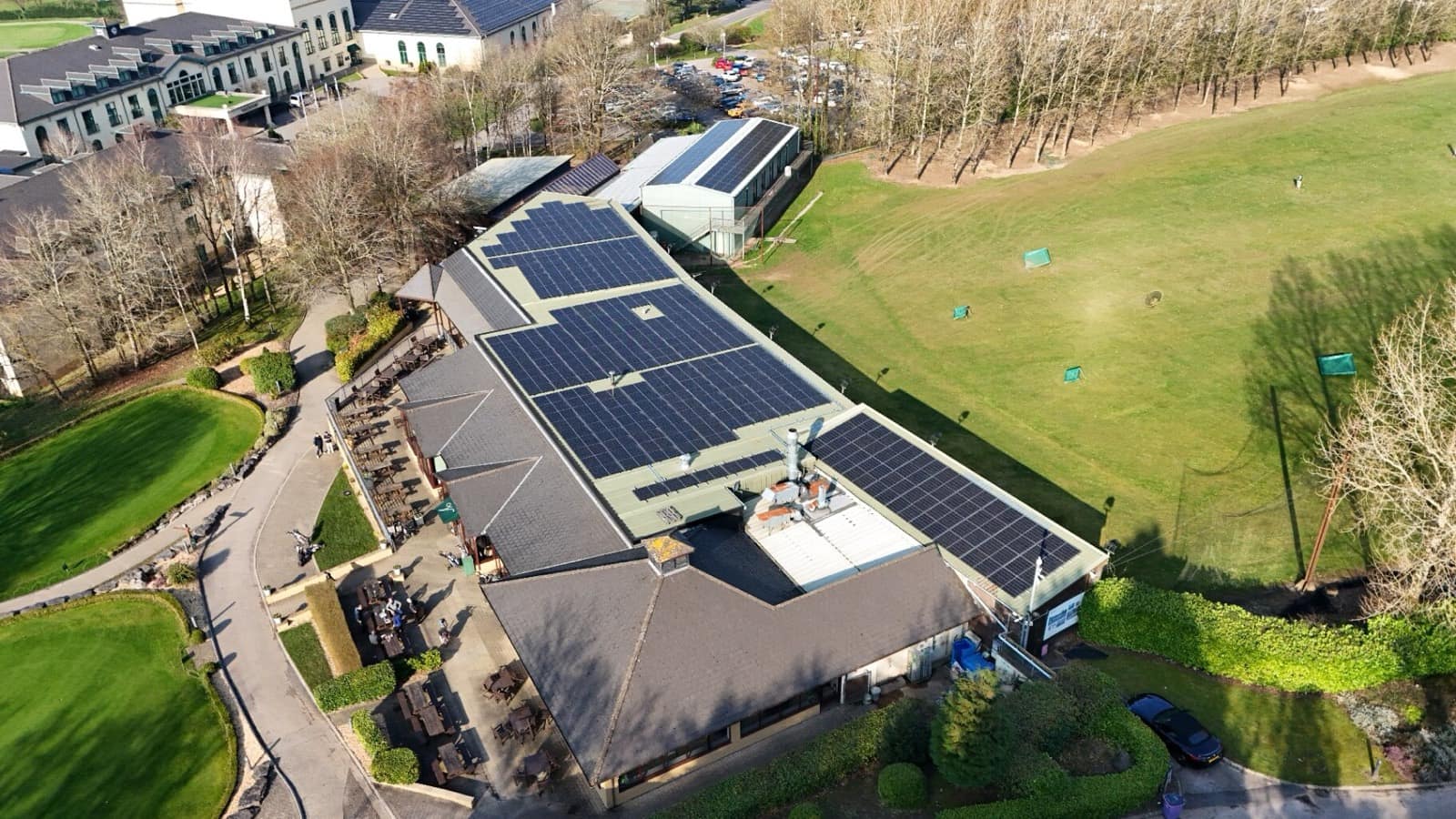
Most solar quotes ignore your trading calendar.
Small hospitality energy bills are up ~60% on 2020, and most solar quotes still ignore the trading calendar that actually drives your demand.
Solar, storage and EV charging engineered around guest operations, seasonal demand and a trading calendar that doesn't stop — built for the Finance Directors, Operations teams and Sustainability Leads running hospitality and leisure estates.









What the numbers say about hospitality & leisure right now.
Small restaurants and cafés faced average annual energy bills of £1,881 in late 2024 — up from £1,167 in 2020 (down from a 2023 peak of £2,307).
Licensed-premises operating costs reached 55.2% of turnover — the highest since 2007 — with utilities at 5.1% of turnover.
Source: UKHospitality / Christie & Co Benchmarking Report 2022
Within hospitality, energy prices rose ~65% over the decade to 2025 (catering +73%, hotels +64%, pubs/bars +57%). (UK business energy costs overall rose 87%.)
UKHospitality warned the Apr-2023 downgrade of energy support (EBRS→EBDS) would add ~£4.5bn to the sector's bills (later revised up to £7.3bn).
Source: UKHospitality
Figures are third-party sourced and current at time of publication. Each links to its original source above.

In this sector's language.
The pressures a hospitality & leisure team actually voices — not the ones a brochure assumes.
"Our energy cost is no longer forecastable"
Kitchens, laundry, pools and HVAC keep running at full trading volume regardless of the unit rate.
"We can't close a trading site to have this installed"
Guests, members and events can't be disrupted for a delivery timeline that suits the installer.
"We're a multi-site estate — one-off installer relationships don't scale"
A single hotel's solar quote doesn't answer the question for the other forty sites behind it.
"We've committed to Net Zero but have no commercial roadmap"
Sustainability reporting across a hospitality group has to survive board and investor scrutiny.
Where does your site actually sit?
Five quick questions. No form, no number to chase — a directional read on your real constraint, and the fastest route in.
Which of these sounds most like you?
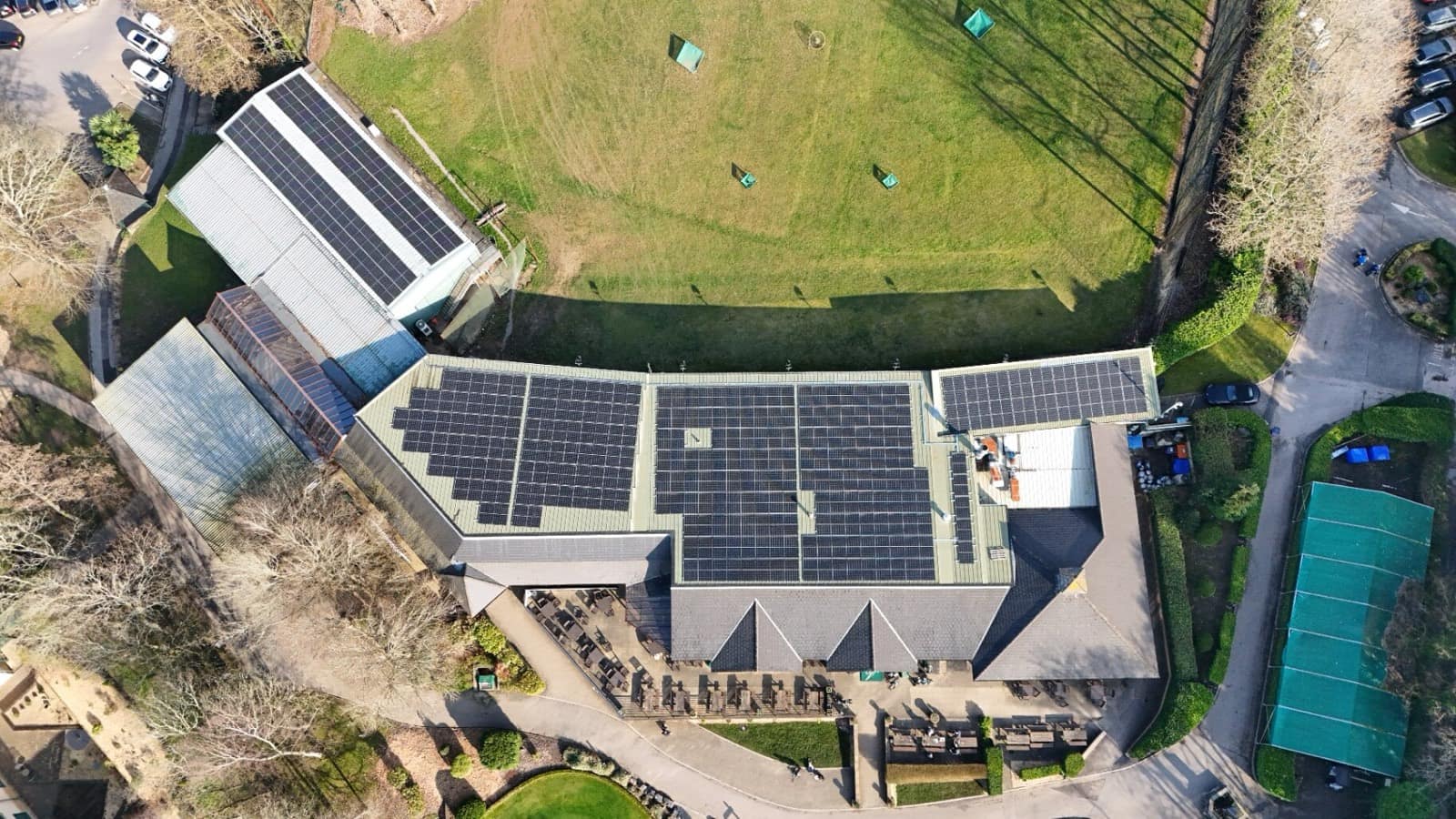
A live trading calendar the installer won't design for.
Hospitality sites carry a demand curve most installers don't design for — high, variable daytime and evening loads layered on top of a live trading calendar that can't tolerate disruption.
Seasonal occupancy
A resort or golf club's demand curve shifts sharply between peak and off-season; sizing to one season under- or over-builds for the other.
Guest-facing disruption tolerance
Installation has to work around live trading, events and guest experience, not the installer's preferred schedule.
Kitchen, laundry and leisure-facility loads
Pools, spas and commercial kitchens carry some of the highest continuous loads in the hospitality estate.
Multi-site consistency
An estate-wide rollout needs one design standard and one accountable delivery partner, not forty different local installer relationships.
The methodology — not just the claim.
- 01
Occupancy and trading-pattern audit
Half-hourly consumption mapped against your booking calendar and seasonal occupancy, not an annual average across a wildly variable year.
- 02
Demand-curve vs generation-curve gap analysis
Identifying exactly where kitchen, laundry, pool and HVAC loads outpace generation, and where storage needs to close that gap.
- 03
Live-site delivery constraint assessment
Mapping installation phasing against your events calendar and guest-facing areas before any design is finalised.
- 04
Integrated design across sites
For multi-site groups, one design standard adapted per site, with funding structured to scale rather than being renegotiated site by site.
Problem, solution, outcome.
- 1 · Problem
Marston's PLC needed to reduce operational energy costs and materially cut the carbon footprint of its estate — without interrupting service at pubs and inns typically trading 12 hours a day. The Vale Resort needed the same commercial outcome at a live luxury resort and golf club, where guest experience couldn't be compromised.
- 2 · Solution
Nuvolt delivered 114.38 kWp at Marston's headquarters and Phase 1 estate sites, and 168.81 kWp plus six dual 22kW EV chargers at The Vale Resort — both engineered around live trading, guest and event schedules.
- 3 · Outcome
The Vale Resort: £43,049.60 year-one savings and 28.8 tonnes of CO₂ saved annually. Marston's PLC: 17.44 tonnes of CO₂ saved annually, delivered with HT Power PPA support across a 1,190-site estate.
We've done this before.
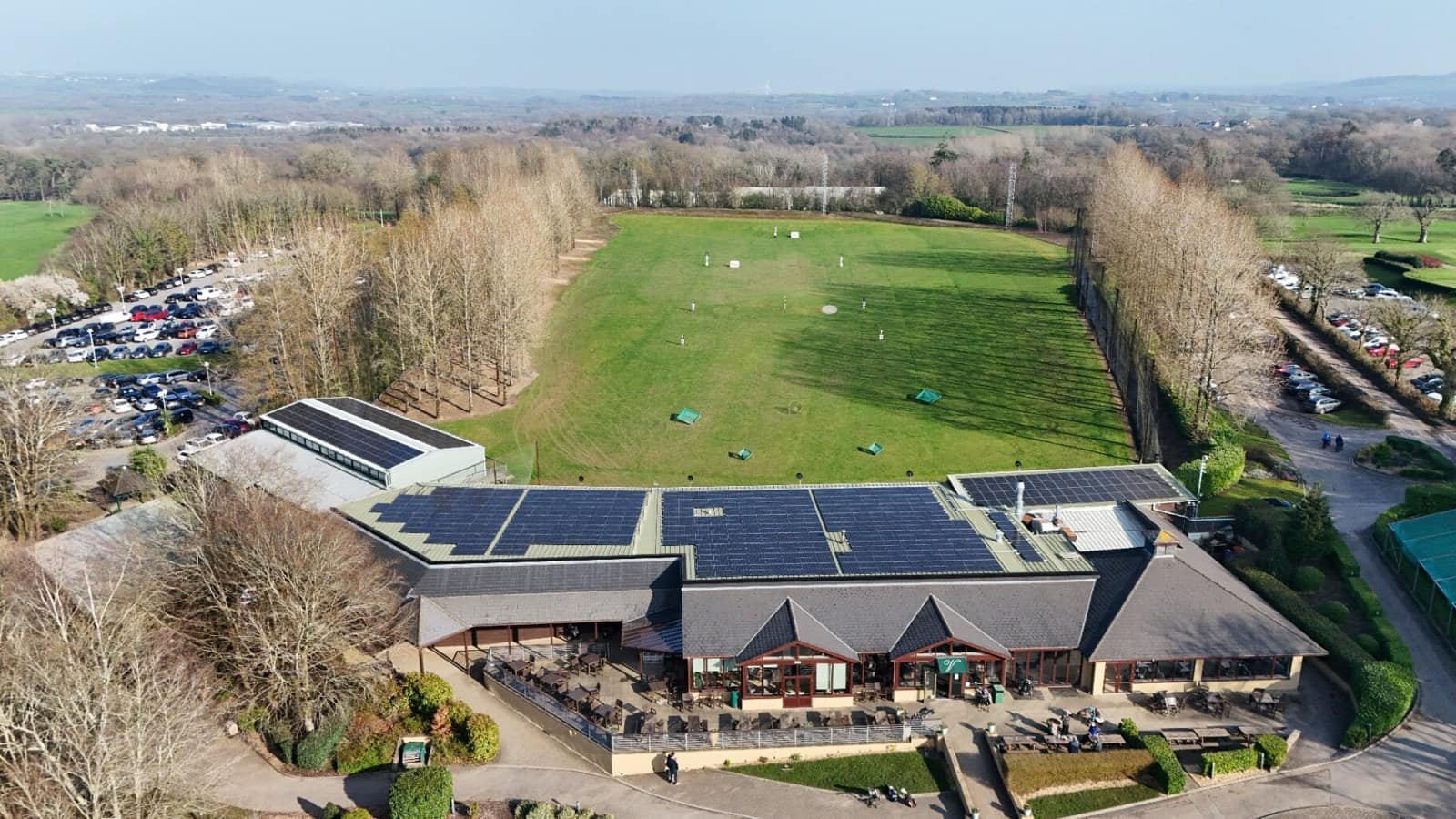
168.81 kWp solar plus six dual 22kW EV chargers engineered around a live luxury resort and golf club.
The commercial upside, in plain terms.
Trade through install
Installation phased around your booking calendar, events and guest-facing areas to minimise disruption to trading and guest experience.
Cut kitchen, laundry and pool baseload cost
On-site generation offsets the continuous leisure and catering loads that carry the highest running cost in the estate.
One design standard across the estate
A single design template adapted per site, replacing forty separate local installer relationships.
EV charging as guest amenity and revenue
Guest and staff charging designed in from the start — an amenity that can also become a revenue stream.
Board-grade Scope 2 for investors
Estate-wide emissions reduction reported against verifiable metering, built to survive investor and board scrutiny.
Seasonal-demand-matched sizing
Generation sized against your real peak-season demand, with export or storage absorbing the off-season surplus.
Benefit statements are illustrative of Nuvolt's engineering approach. Project-specific figures are modelled against your own site data; sector statistics are drawn from the third-party sources cited on this page.
How we deliver it, end to end.
One accountable partner across the whole engagement — from the first load audit to lifetime operation.
A line for every role that has to sign this off.
Finance Director / CFO
A funding structure — CapEx, asset finance or EaaS — that works across a single site or a multi-site estate, with a payback case built on real trading-hour consumption data.
Operations Director
Installation planned around live trading, events and guest experience, delivered by the same team accountable for it once it's operating.
Sustainability Lead
Estate-wide Scope 2 reduction reported against verifiable metering, built to survive investor and board-level scrutiny.
Managing Director
One accountable partner across a hospitality estate, replacing the risk of managing a different local installer relationship at every site.
Suited to this sector.
Funding gets equal weight to engineering. The right structure follows the business, not the other way round.
Single-site hotels and resorts often favour CapEx or asset finance for a strong long-term return. Multi-site hospitality groups managing capital across dozens of sites more often choose Energy-as-a-Service, so the funding decision doesn't have to be re-made site by site.
The objections we hear most.
The questions every hospitality & leisure team puts to us before a first conversation — answered straight.
Still have a question? Talk to us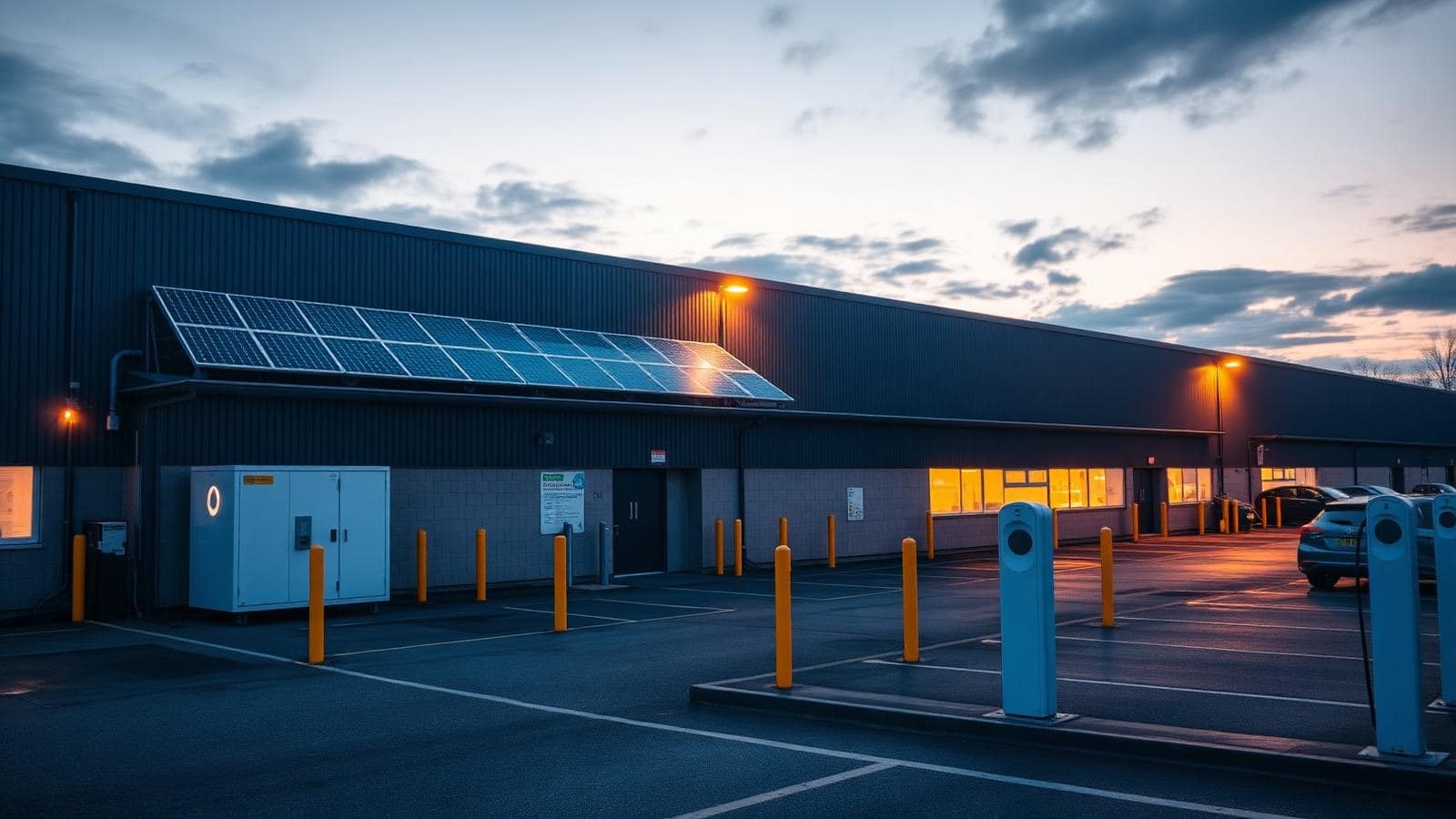
System sizing for a hospitality site is driven by occupancy patterns, kitchen and leisure-facility load, and the trading calendar — not roof area alone.
Ranges are illustrative of Nuvolt's engineering approach and must not be read as a quote, estimate or guarantee. Every site is sized against its own data.
- 1Seasonal resorts and golf clubs: generation sized against peak-season demand, with export or storage absorbing off-season surplus.
- 2Multi-site pub and restaurant estates: a standard design template adapted per site, rather than a bespoke design each time.
- 3EV charging is increasingly bundled with hospitality solar projects — guest and staff charging designed in from the start rather than retrofitted.

A short conversation. No quote, no pitch — a commercial view of where your hospitality site's or estate's energy position actually sits.
Request a trading-pattern energy review. We'll map your site's or estate's real demand curve against your booking calendar and events schedule — before any system size or funding route is discussed.
- 1Share your consumption data and trading calendar — or we'll help you request the half-hourly data from your supplier.
- 2We map your real demand curve against generation potential and your events and occupancy pattern.
- 3You get a commercial read on your energy position — before any system size or funding route is discussed.
Let's have a strategic conversation about your energy position.
An assessment, a benchmark, a roadmap — whichever is most useful. A short conversation with engineers who run commercial energy every day, not a sales call.