Power Purchase Agreement (PPA)
Buy the electricity, not the asset. A third party funds, owns and operates the system; you pay a fixed per-kWh rate for what you use.
Under a Power Purchase Agreement (PPA), a third-party funder installs and operates an energy system on your site at no upfront cost. You agree to buy the electricity it generates for a fixed term — typically 15–25 years — at a discounted, index-linked rate that sits well below the grid alternative. Ownership transfers to your business at the end of the term, often for a nominal sum.
- Sites with strong, year-round on-site demand and a long operational horizon
- Businesses wanting an off-balance-sheet treatment with no capital exposure
- Operators looking for a long-term hedge against wholesale electricity prices
The ppa model, step by step.
- Step 1
Site assessed and modelled
We size the system, baseline your demand, and model self-consumption — PPAs only stack up where you'll actually use the power.
- Step 2
PPA structured
Funder, rate, term, escalator and end-of-term transfer are negotiated and documented — typically a 15–25 year arrangement.
- Step 3
System installed and operated
The funder pays for installation. We deliver and operate it across the life of the agreement under one accountable relationship.
- Step 4
Pay per kWh, save per kWh
You're invoiced only for electricity consumed from the system, at the agreed rate. Title transfers to you at the end of the term.
Typical scenarios where PPA fits.
- High, consistent daytime electricity demand at the site
- Long-term operational commitment to the location (typically 15+ years)
- Off-balance-sheet treatment is a board-level requirement
- The business wants a structural hedge against wholesale electricity prices
- Long contractual commitment — exit, transfer and novation terms are critical
- Lease term needs to comfortably outlast the PPA tenure
- Lower lifetime NPV than CAPEX — you're paying for the funder's margin
- Self-consumption profile is the single biggest driver of whether a PPA stacks up
A balanced view — what to weigh before you choose.
No commercial model is universally right. Below is an honest read of the trade-offs we walk clients through before structuring a deal.
- No capital outlay, no asset on the balance sheet, no maintenance cost
- Immediate, predictable electricity cost reduction from day one
- Long-term hedge against wholesale price and supplier renewal volatility
- All performance, warranty and operational risk sits with the funder
- Asset transferred to you at end of term — usually for a nominal amount
- Lower lifetime return than direct ownership once the funder's margin is included
- Long contractual tenure — sale, relocation and novation need to be designed in
- Tied to one supplier of generation; switching mid-term is difficult
- Index-linked escalators need stress-testing against likely wholesale trajectories
- Less commercially viable where on-site daytime consumption is low
How PPA applies to each technology.
Solar PV
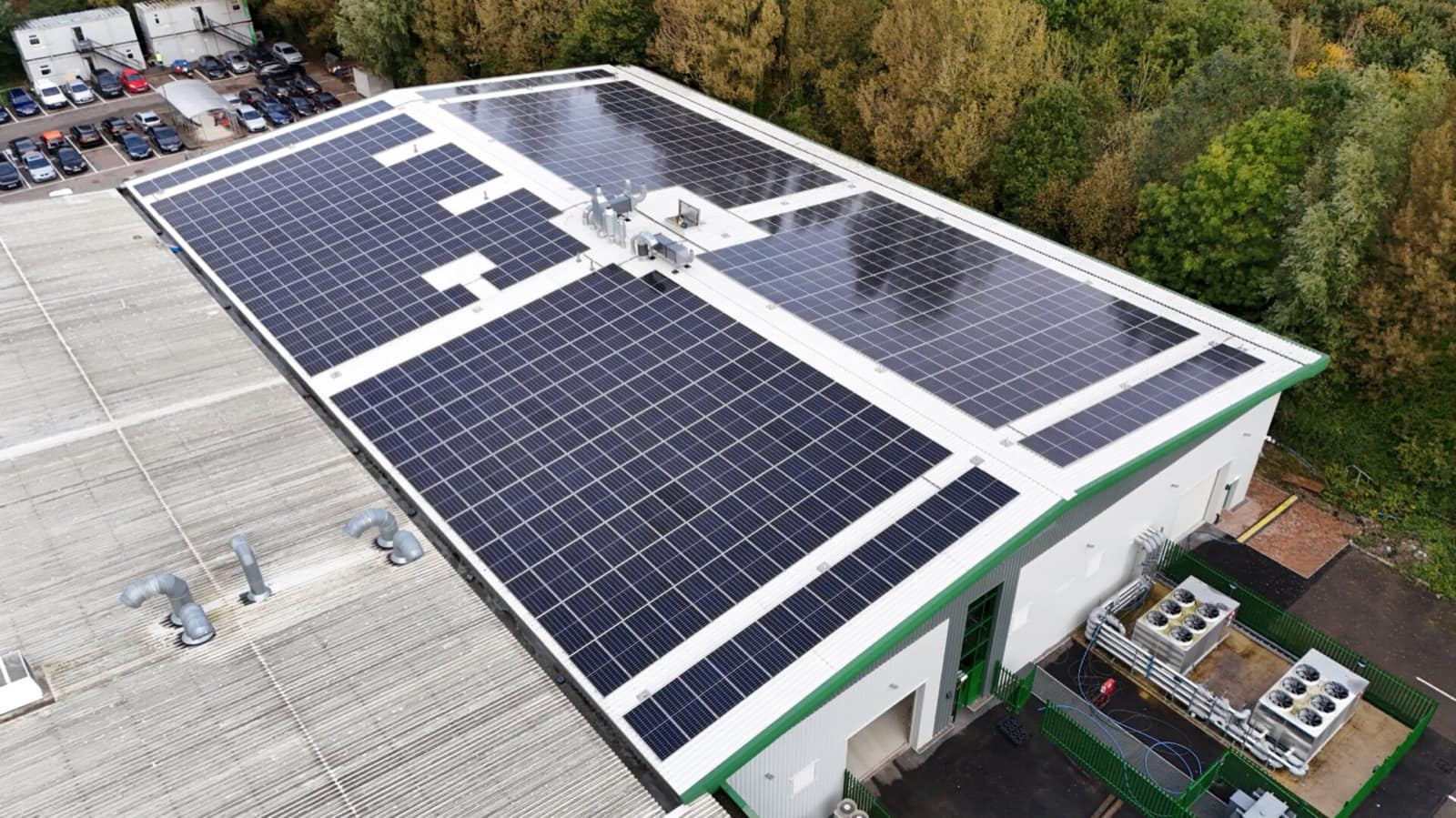
The classic fit. Solar PPAs are the most mature, lender-friendly structure for behind-the-meter generation in the UK.
Battery Storage
Increasingly viable as part of a combined solar+storage PPA, especially where grid-services revenue is part of the funder's stack.
EV Charging
Less common as a standalone PPA, but workable where charging volumes are contracted or fleet-tied.
Energy Management
Typically included in the funder's operational scope to protect generation yield and PPA economics.
Let's have a strategic conversation about your energy position.
An assessment, a benchmark, a roadmap — whichever is most useful. A short conversation with engineers who run commercial energy every day, not a sales call.