How is large-scale energy infrastructure delivered into live operational sites without disrupting trading?
Through phased works, out-of-hours access, integrated safety planning and a principal-contractor model — proven across live manufacturing, hospitality and healthcare environments.
Deliver into live, 24/7 operations — without stopping the business.
If this is the conversation happening inside your business, you're not alone — and the symptoms below are usually the first sign.
- 24/7 production, live guests or sensitive operations
- Previous projects shelved over disruption risk
- Safety, isolation or access constraints around the works
- Senior stakeholders nervous about operational impact
The cost of leaving this unsolved.
These aren't theoretical risks. They're the compounding business consequences we see when this challenge is left to sit.
Downtime is the real cost
In live operational environments, an hour of unplanned downtime is worth more than the saving any individual project will produce in a month.
Customer, guest and patient experience is on the line
Poorly sequenced works damage the thing the business actually trades on — long after the install is finished.
Safety risk concentrates around the works
Live sites with poor sequencing create safety risk that is disproportionate to the size of the project.
Confidence in future capital evaporates
One disruptive project is usually enough for the board to defer the next three — even when each one stands on its own.
Find a window where the site is quiet.
On most operational sites, the quiet window doesn't exist. The discipline is delivering with the site running.
Manufacturing, hospitality and healthcare don't pause. Programmes have to be designed around trading hours, production windows, event calendars and clinical schedules — not the other way round. On a 24/7 site, the order of works — isolations, access, lifting, commissioning — is what determines whether trading continues. Installers built for new-build and domestic work don't plan for this; they plan around it.
Find a quiet window
Design around trading hours
Treat sequencing as install logistics
Treat sequencing as the project
Bolt on safety and stakeholder management
Design them in from day one
Award to installers built for new-build
Appoint a principal contractor built for live sites
Choose the contractor on operational references, not technical ones.
Anyone competent can specify the equipment. The partners worth shortlisting are the ones who can name the live hotels, factories or hospitals they've delivered into without a trading-hour lost — and put those operations directors on the phone.
A clear path from problem to outcome.
Three deliberate steps, framed around the outcome each one delivers — not the engineering it takes.
- 01
Understand
Map operational windows, safety constraints and stakeholder requirements.
- 02
Design
Programme works around your operation — not around standard install sequences.
- 03
Deliver & optimise
Operate as principal contractor with full safety and sequencing accountability.
What success actually looks like.
Technology benefits are easy to list. Business outcomes are what the board signs off against.
Capital projects are deferred over disruption risk. Operations and engineering disagree on what's possible.
Infrastructure is delivered into the live site with no lost trading. Operations sign off the next phase with confidence.
We've done this before.
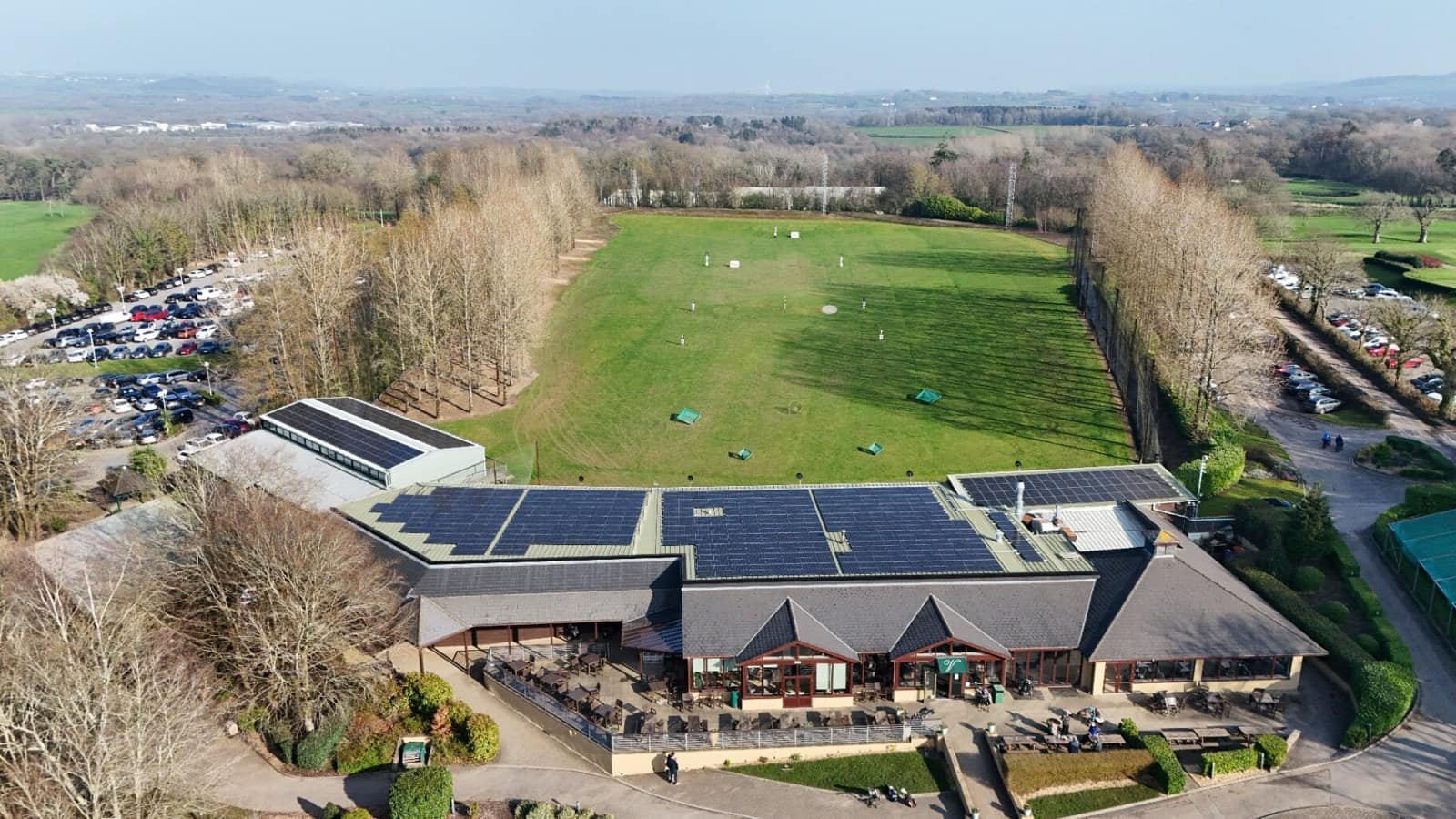
The Vale Resort
Deliver into live, 24/7 operations — without stopping the business.
Solar PV plus EV charging delivered live across a working luxury resort and golf club.
168.81 kWp system size · £43,049.60 year-1 savings
A short way to check whether this is your conversation.
If three or more of the below apply, a strategy conversation is almost always worth the time.
Frequently asked questions
Let's have a strategic conversation about your energy position.
An assessment, a benchmark, a roadmap — whichever is most useful. A short conversation with engineers who run commercial energy every day, not a sales call.