Most landowners start with land. The blocker is the connection.
Only 12% of UK wind and solar farms are co-located with battery storage, and grid connection delays remain one of the biggest blockers to new utility-scale generation.
Engineering, procurement and construction delivery for landowners, developers and strategic partners bringing utility-scale and hybrid renewable projects to technically constrained sites — built for project developers, asset managers and landowners.








What the numbers say about land & utility-scale solar right now.
Before reform, GB's grid connections queue held over 700 GW of projects — around four times what's needed for 2030 clean-power targets.
Source: NESO
The UK had ~18 GW of installed solar in early 2025 (passing 20 GW by late 2025), against a 45–47 GW-by-2030 ambition.
Source: DESNZ, Solar Roadmap
Just 12% of UK wind and solar farms are currently co-located with battery storage or hydrogen electrolysers.
Source: RenewableUK
The statutory NSIP examination-and-decision process runs to ~18 months once an application is accepted (pre-application adds 1–2+ yrs).
Source: Planning Inspectorate
Figures are third-party sourced and current at time of publication. Each links to its original source above.
In this sector's language.
The pressures a land & utility-scale solar team actually voices — not the ones a brochure assumes.
"Our site has generation potential, but no straightforward grid connection"
New, standalone grid connections are increasingly difficult and slow to secure.
"We need an EPC partner with genuine technical depth on hybrid and constrained sites"
Not every delivery partner can handle a hybrid solar-and-wind site, or a remote location.
"We need a partner accountable for delivery, not just design"
A landowner or developer needs one party responsible from engineering through to commissioning.
"Our site is remote or logistically challenging"
Technical and logistical complexity increases with site remoteness, and needs a delivery partner who's done it before.
Where does your site actually sit?
Five quick questions. No form, no number to chase — a directional read on your real constraint, and the fastest route in.
Which of these sounds most like you?
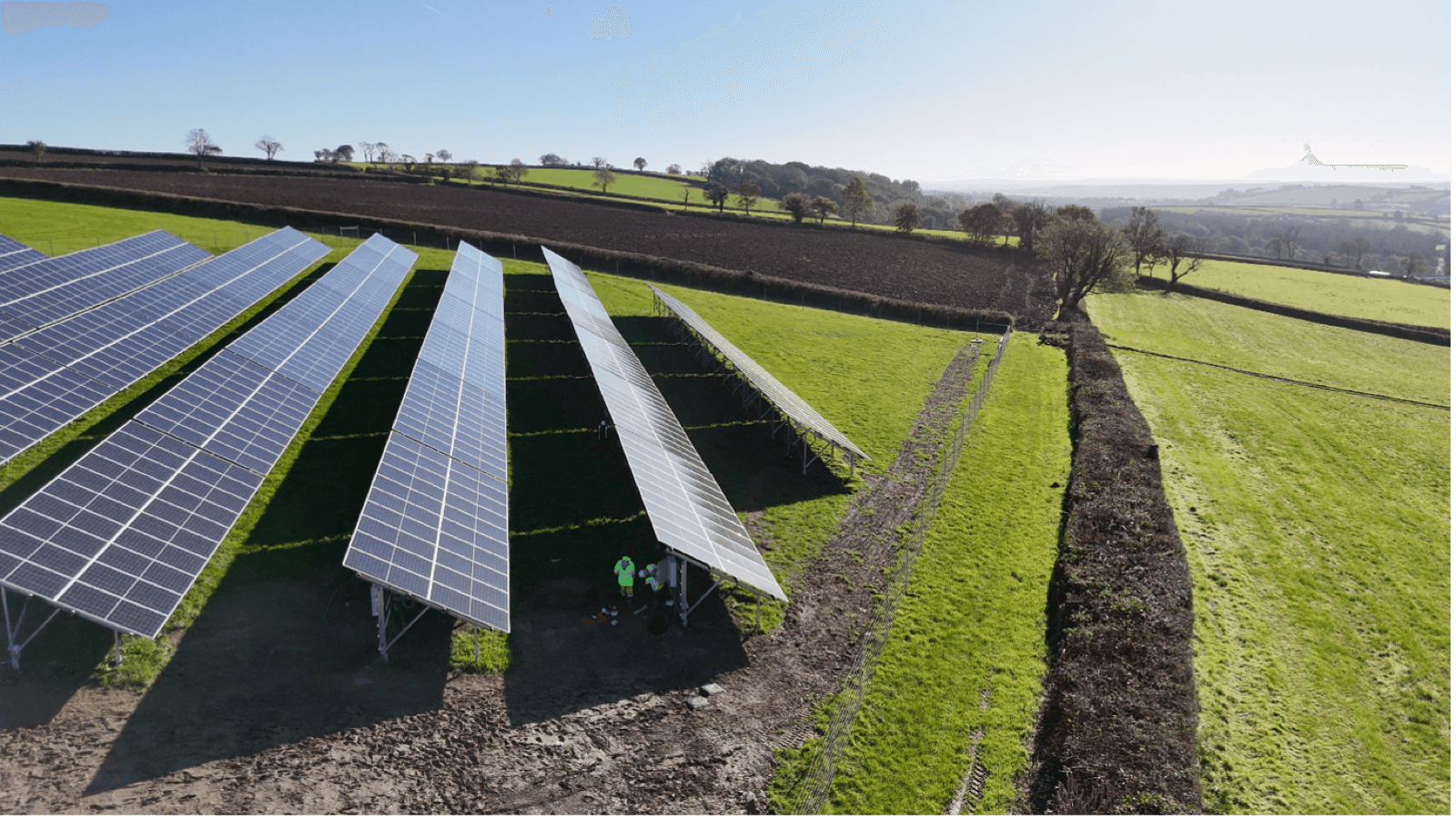
The connection is the constraint, not the roof.
Utility-scale and land-based projects carry a different set of constraints from the commercial and industrial sectors elsewhere in this hub — grid connection capacity is often the binding constraint rather than roof space or demand.
Grid connection capacity
Increasingly the real constraint on new utility-scale generation, requiring a strategy that works with existing connection infrastructure rather than waiting years for a new one.
Hybrid site engineering
Combining solar with an existing wind asset on one site requires genuine multi-technology coordination — the kind of hybrid electrical engineering not every solar EPC provider is set up for.
Remote and logistically challenging locations
Site access, construction logistics and grid infrastructure all become harder the further a site sits from standard commercial infrastructure.
Single accountable EPC delivery
Landowners and developers need one party responsible for engineering, procurement and construction, not a fragmented supply chain.
The methodology — not just the claim.
- 01
Grid connection capacity assessment first
Evaluating existing connection headroom before land or generation potential, since this is frequently the true limiting factor.
- 02
Hybrid site engineering assessment
Where an existing generation asset (wind, for example) is already on site, evaluating how solar can be co-located using the existing connection — subject to export limitation, protection and the site's connection agreements.
- 03
Logistics and site-access planning
For remote or technically challenging sites, planning construction sequencing and access as a distinct technical workstream.
- 04
Full EPC delivery
Engineering, procurement and construction managed as one accountable programme, working alongside landowners and strategic partners.
Problem, solution, outcome.
- 1 · Problem
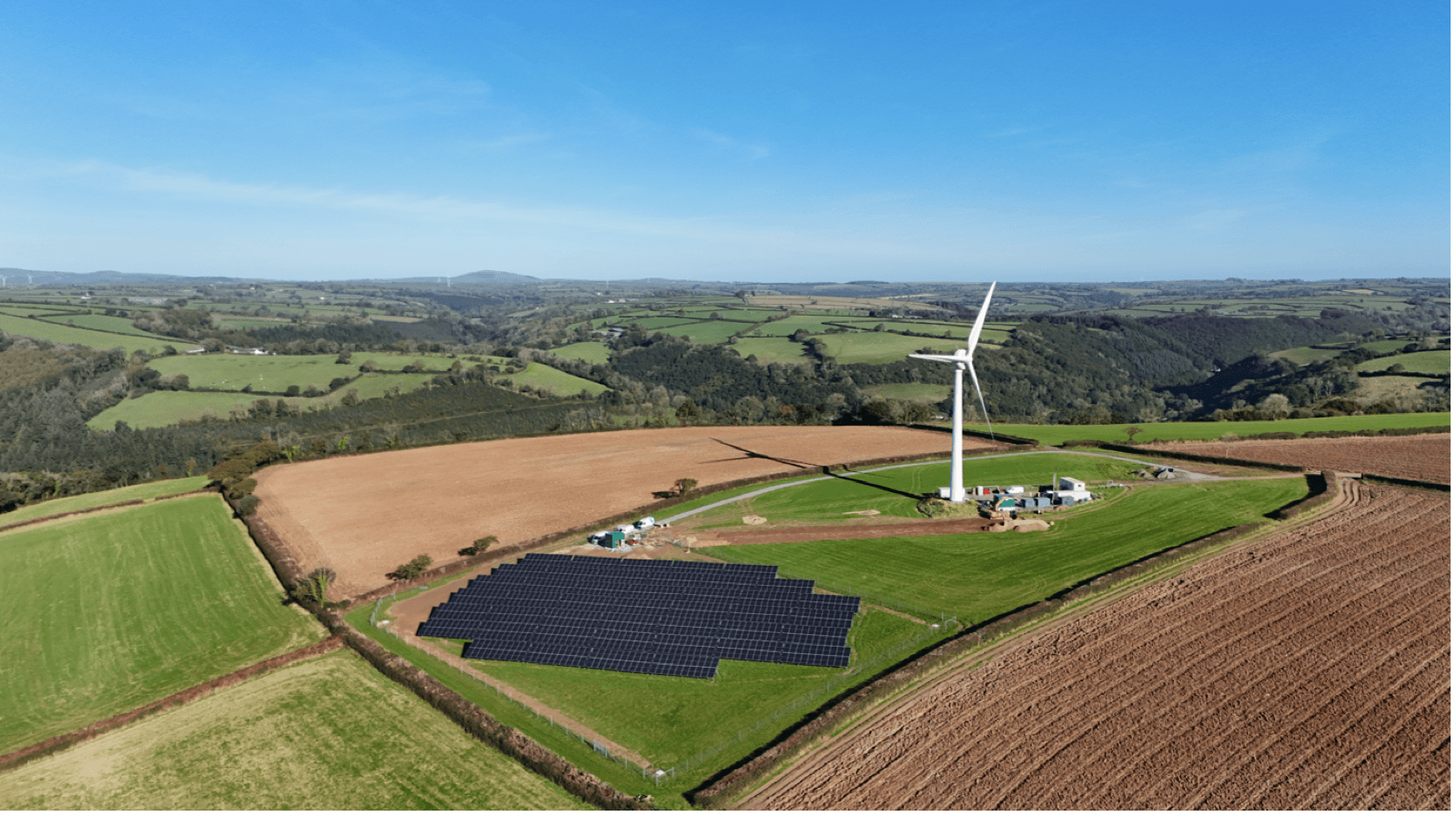
The Bwlch Gwynt project, delivered with strategic partner Vital Energi, sought to increase renewable energy generation at an existing wind energy site in Carmarthenshire. Securing new grid capacity can be difficult and time-consuming, and the site's remote location introduced additional logistical and technical challenges.
- 2 · Solution
Nuvolt delivered a 576 kWp hybrid solar-and-wind installation, engineered to maximise generation from the site's existing grid connection rather than requiring a new one — working alongside strategic partner Vital Energi through the site's logistical and technical constraints.
- 3 · Outcome
Increased renewable generation at an existing wind energy site, delivered without a separate export connection, demonstrating a genuine technical route through one of utility-scale solar's most common blockers — grid capacity.
We've done this before.
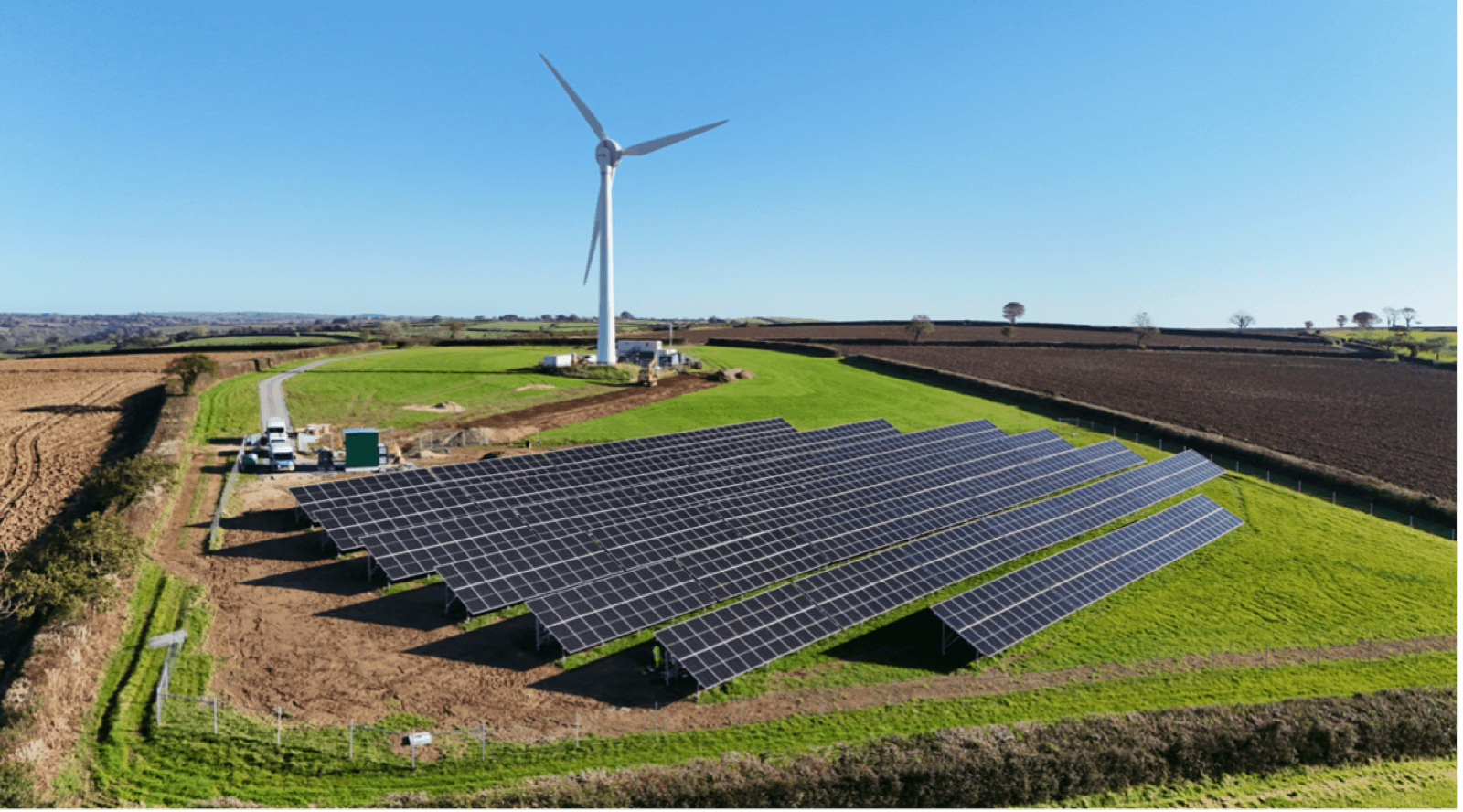
576 kWp hybrid solar and wind installation, engineered to maximise generation from an existing grid connection without a separate export connection.
The commercial upside, in plain terms.
Maximise generation from an existing connection
Engineering output from the connection you already have, rather than waiting years for a new one that may never clear the queue.
Hybrid site engineering (solar + wind)
Solar co-located with an existing wind or other generation asset, coordinated across technologies on a single site.
Single accountable EPC partner
One party responsible from engineering through procurement to commissioning — not a fragmented supply chain.
Remote and logistically hard sites delivered
Site access, construction sequencing and grid infrastructure planned as a distinct workstream for challenging locations.
Co-location with storage designed in
Battery storage engineered into the site design from the start, addressing the co-location gap most projects still leave open.
Works within a wider development structure
Comfortable as EPC delivery partner alongside developers, asset managers and strategic partners, not only direct with landowners.
Benefit statements are illustrative of Nuvolt's engineering approach. Project-specific figures are modelled against your own site data; sector statistics are drawn from the third-party sources cited on this page.
How we deliver it, end to end.
One accountable partner across the whole engagement — from the first load audit to lifetime operation.
A line for every role that has to sign this off.
Finance Director / CFO
A delivery approach that avoids the cost and delay of securing a new grid connection, by maximising generation from existing connection infrastructure.
Operations Director
One accountable EPC delivery partner managing hybrid site engineering and remote-site logistics, rather than a fragmented supply chain.
Sustainability Lead
Increased renewable generation from an existing asset and connection, rather than the greater land-use and grid impact of an entirely new site.
Managing Director
Confidence that a technically complex, grid-constrained or remote project can still be delivered, working with an EPC partner who's done exactly this before.
Suited to this sector.
Funding gets equal weight to engineering. The right structure follows the business, not the other way round.
Land and utility-scale projects are typically funded through project finance, strategic partnership structures (as with Vital Energi at Bwlch Gwynt) or landowner CapEx — a different funding conversation from the commercial and industrial sectors elsewhere in this hub.
The objections we hear most.
The questions every land & utility-scale solar team puts to us before a first conversation — answered straight.
Still have a question? Talk to us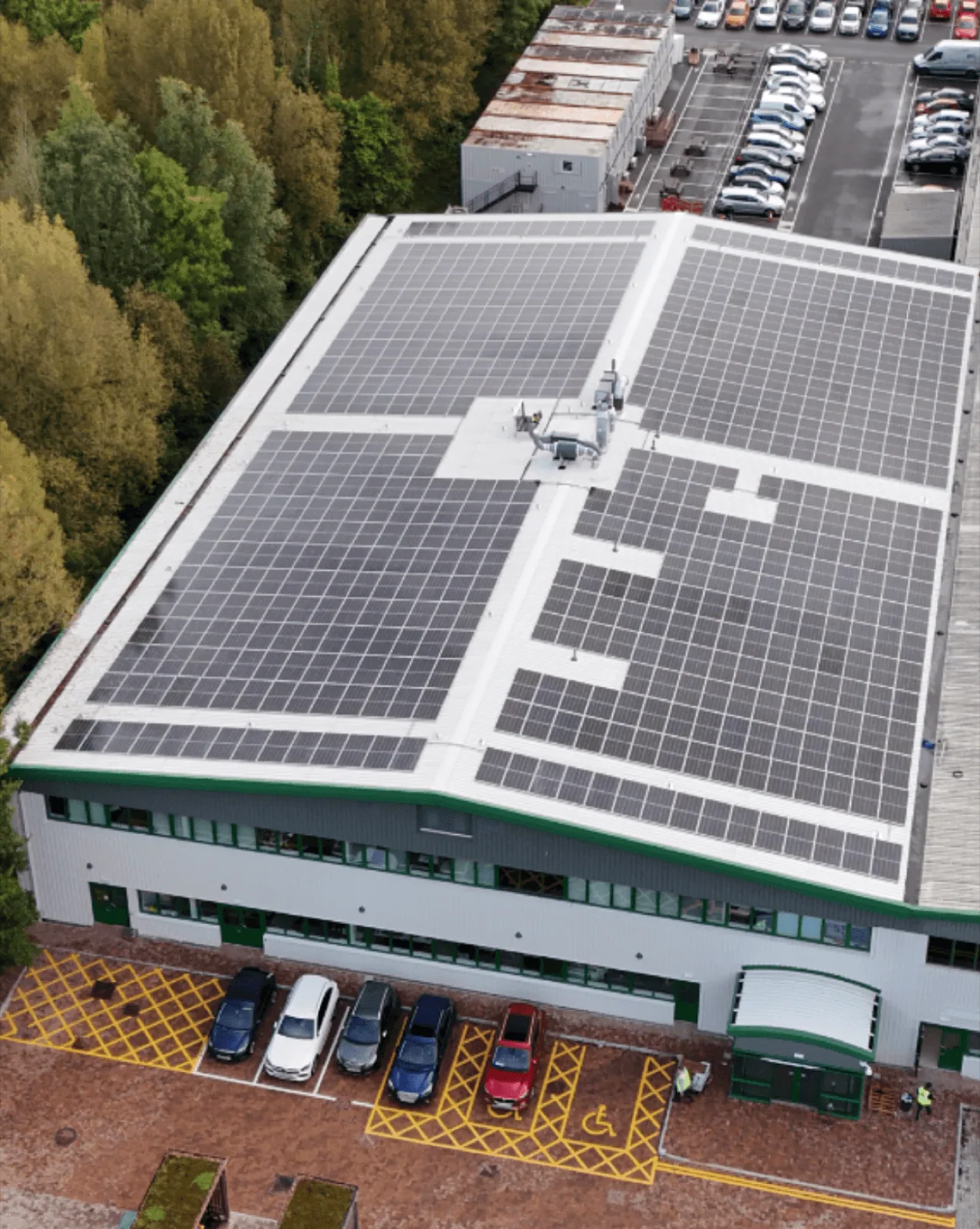
Utility-scale and land-based project design is driven by grid connection capacity, site logistics and existing infrastructure — not building demand, unlike every other sector in this hub.
Ranges are illustrative of Nuvolt's engineering approach and must not be read as a quote, estimate or guarantee. Every site is sized against its own data.
- 1Existing grid connection capacity should be assessed before land or generation potential — it's frequently the true limiting factor.
- 2Hybrid sites (solar alongside wind or other generation) require coordinated engineering across technologies, not a solar-only design process.
- 3Remote site logistics — access, construction sequencing, grid infrastructure — need to be planned as a distinct technical workstream.
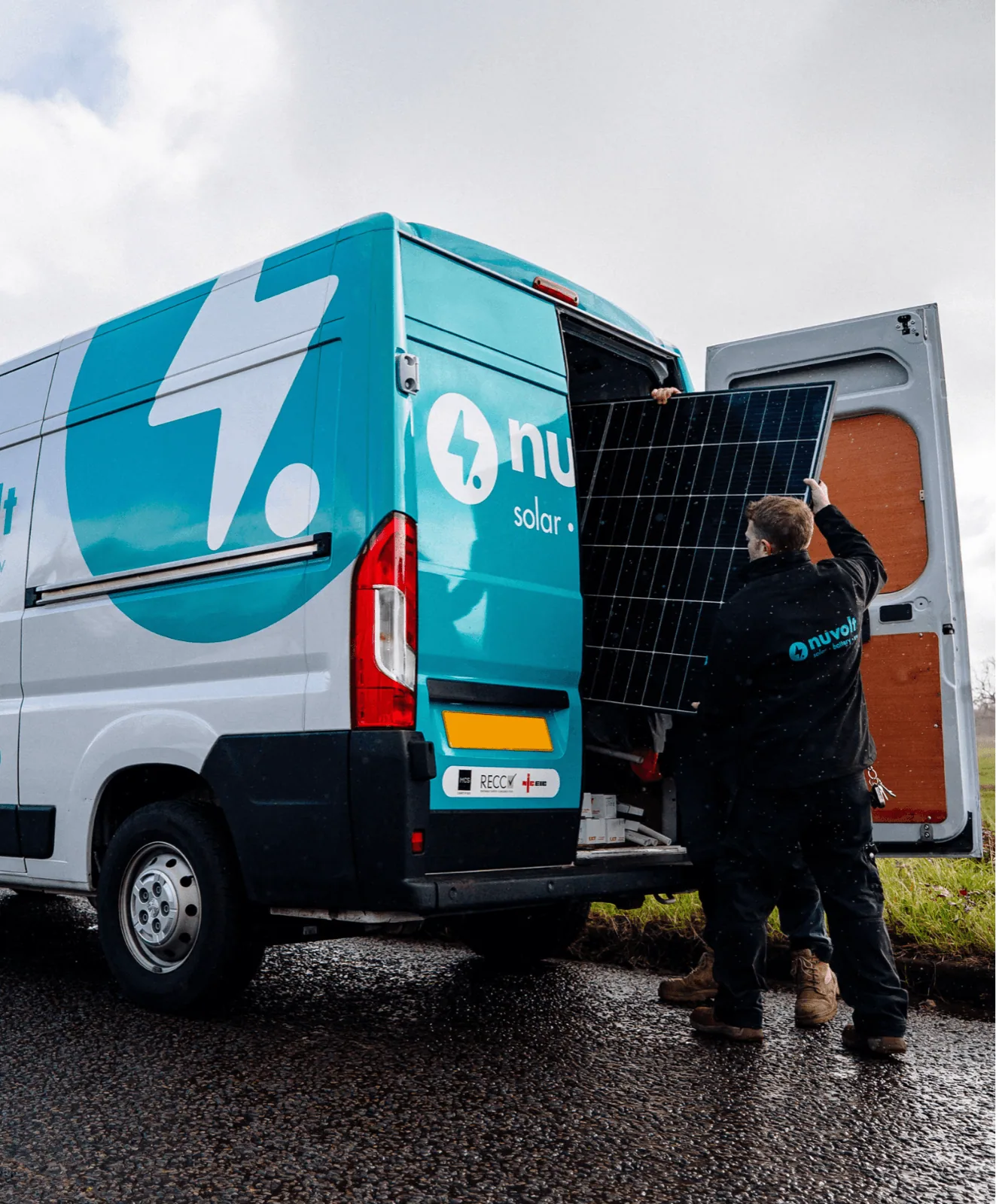
A short conversation. No quote, no pitch — a technical view of what your land or utility-scale site can genuinely achieve, starting with the grid connection.
Request a grid capacity and site assessment. We'll evaluate your site's existing connection headroom and generation potential before any development conversation goes further — no quote, no pitch, a genuine read on what's technically achievable.
- 1Share your site details, existing connection and any generation already on site.
- 2We assess existing connection headroom and generation potential before anything else.
- 3You get a technical read on what's achievable — before any development conversation goes further.
Let's have a strategic conversation about your energy position.
An assessment, a benchmark, a roadmap — whichever is most useful. A short conversation with engineers who run commercial energy every day, not a sales call.