Nuvolt — energy solutions
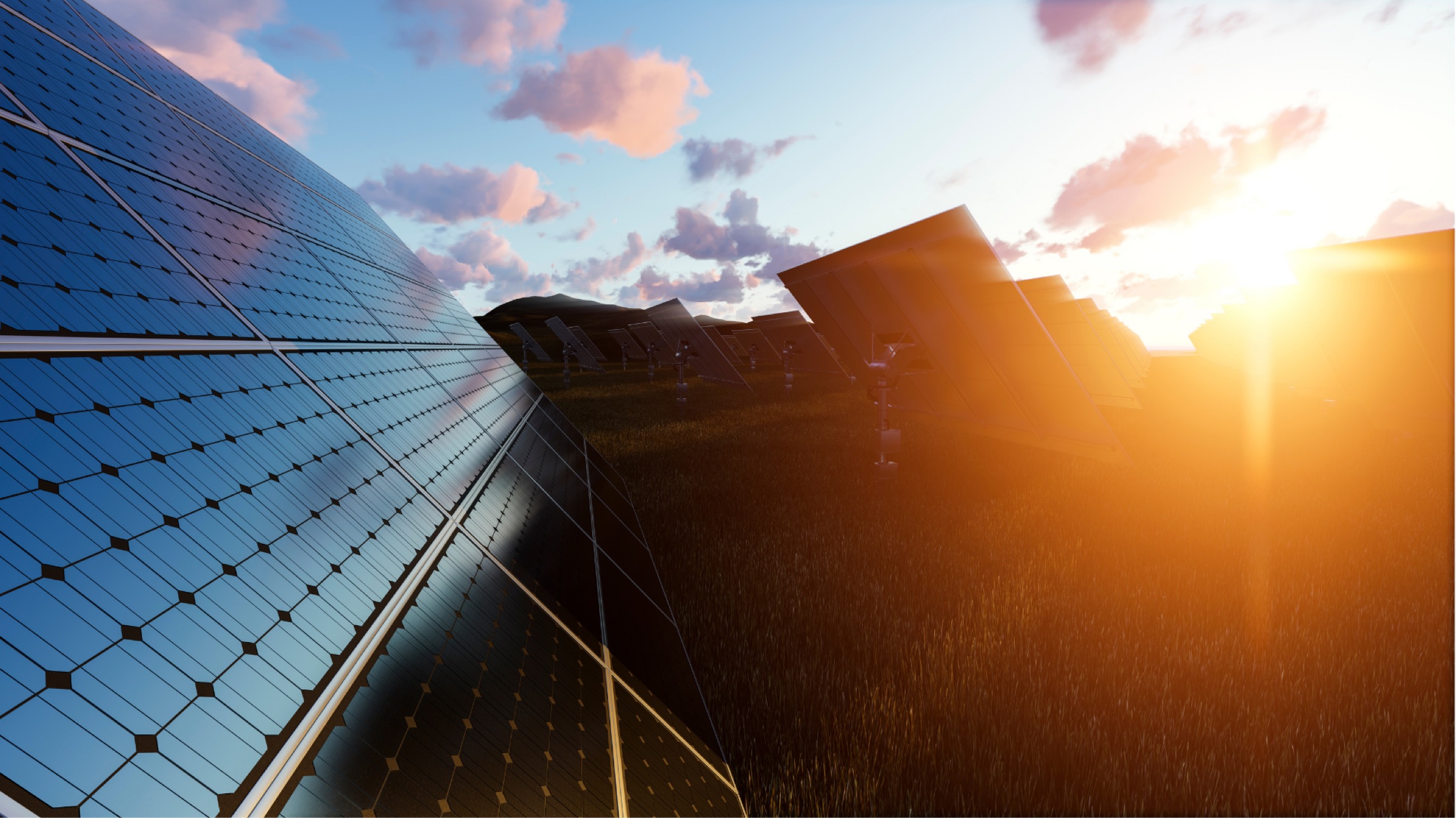
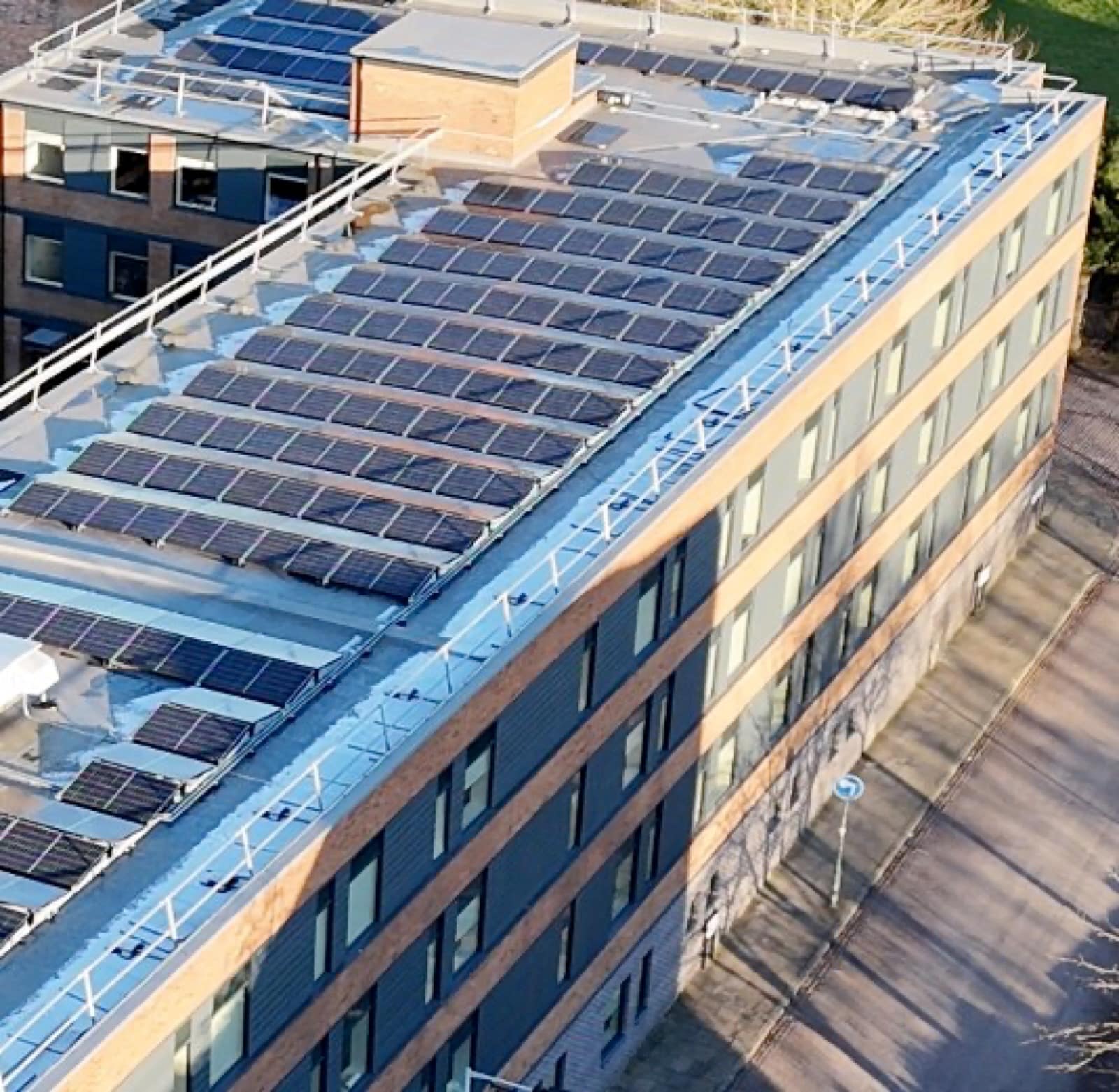
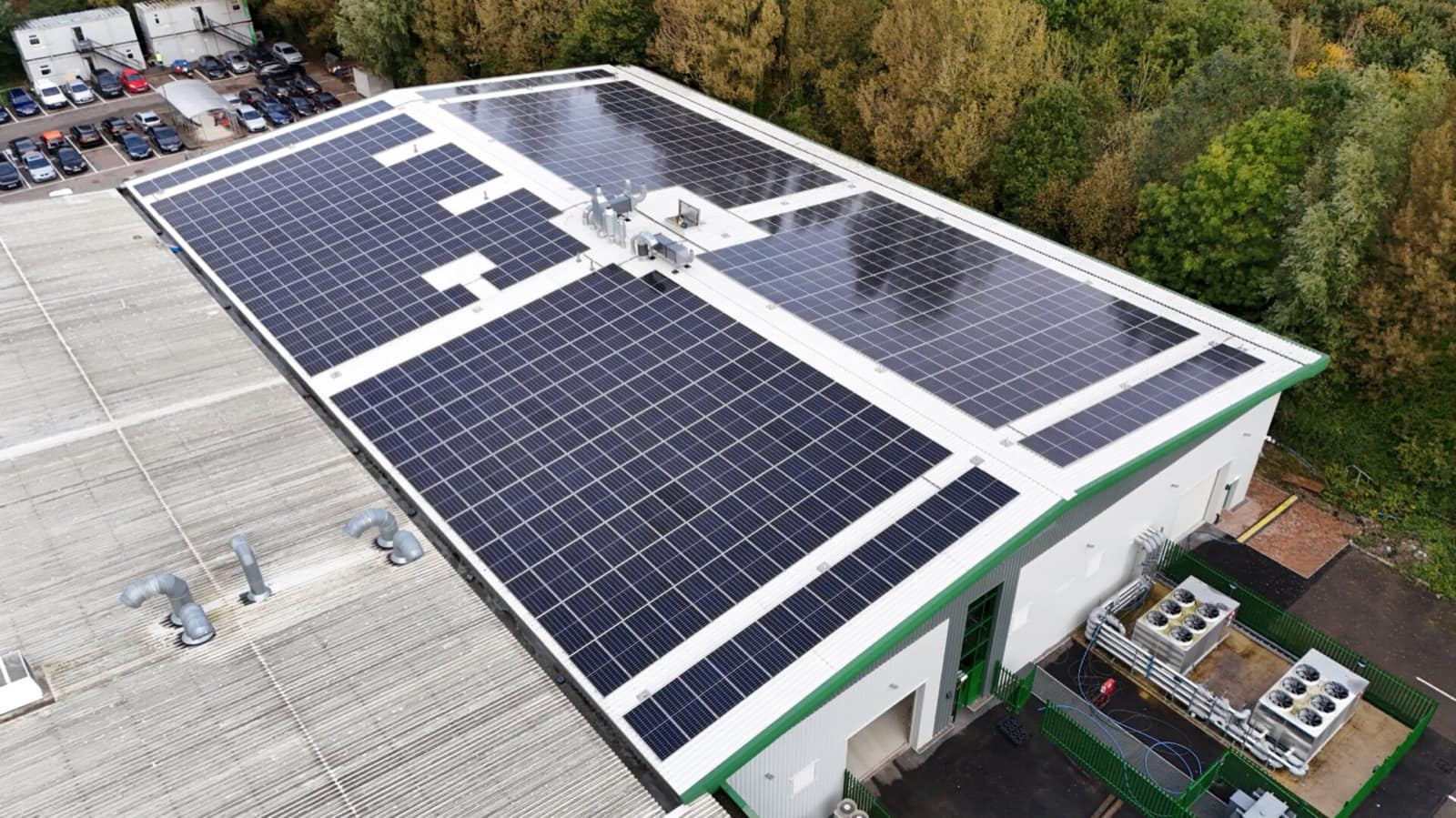
Large-scale solar array installed by Nuvolt for a UK commercial site
Commercial solar funding

Put solar on your roof without touching your capital budget.

PPA, Energy-as-a-Service, asset finance or buy outright — four ways to fund a commercial system, including two that cost you nothing upfront. Model your site in under a minute, then compare the routes side by side: what each one costs, what it saves, and what it does to your balance sheet.

· £0-upfront routes available· 60-second estimate· No numbers gated· Indicative, footnoted, free
Your instant estimate

Start with the numbers, then pick how you pay for it.

Two steps — your building, then your energy. The engine sizes a system against your actual demand and shows what it generates and saves, so the funding conversation starts from real figures. Nothing is locked; only a private link to your proposal asks for your details.

The calculator prices three routes live — buy outright, asset finance and Energy-as-a-Service. A PPA rate is set by a funder against your specific site, so it's covered in full in the comparison below and quoted properly once we've surveyed.

1
2
3
Step 1 of 3 · Your building

Start typing your business name or address, then pick it from the list — choosing your business fills in your company details for you.

Not sure?

Rough is fine — a typical warehouse unit is 1,000–5,000 m².

Your numbers · live
Fill in your building to see your numbers build.
System size
Generation
Demand covered
CO₂ avoided
Compare funding routes
Tap to switch
Estimated year-1 saving · Buy outright
£—
Strongest return, you own it from day one.
Upfront cost
Monthly
Cash-positive
IRR
25-year saving
Balance sheet

See all three routes compared side by side below. Get your private proposal link whenever you're ready.

Indicative figures from Nuvolt's pricing engine. Precise numbers come from a free feasibility survey and half-hourly data audit.

Funded, built and maintained for UK businesses
Marston's PLC
The Vale Resort
Edwards Vacuum
Creditsafe
WCR Space
Shaw Healthcare
Four Elms Group
Frenchay C of E Primary School
Morlais Castle Golf Club
Marston's PLC
The Vale Resort
Edwards Vacuum
Creditsafe
WCR Space
Shaw Healthcare
Four Elms Group
Frenchay C of E Primary School
Morlais Castle Golf Club
Funding routes

Same system. Four commercial models.

The engineering doesn't change — what changes is who pays for the asset, who owns it, and how it lands on your accounts. Two of these routes need no capital from you at all.

Start here — which route fits your situation
  • We have no capital budget for this

    A funder pays for the whole system. You pay for energy, not equipment — so it lands as an operating cost, not a capital request.

    PPA or Energy-as-a-Service
  • We don't want to run or maintain it

    Servicing, monitoring, repairs and performance risk all sit with the provider for the life of the contract.

    Energy-as-a-Service
  • We want to own it, but keep our cash

    Fixed repayments structured to sit under the energy saving, capital allowances still yours, asset owned outright at term end.

    Asset finance
  • We have the cash and want the best return

    Nothing shared with a funder, full tax relief up front, and the shortest payback and highest IRR of the four routes.

    Buy outright (CapEx)
  • We lease the building or may move

    No asset on your books and no residual to write off — but landlord consent and contract assignment rights need sorting early.

    PPA or Energy-as-a-Service
  • We're a charity, school or public body

    You sit outside the corporation-tax shield, so the capital-allowance advantage of owning is worth much less to you.

    PPA or Energy-as-a-Service

PPA

£0 upfront
Cumulative cashflowYr 1 → 25 · illustrative

A funder pays for the system and owns it. You just buy the solar power you use, at a fixed rate below grid price.

Upfront
£0
Term
15–25 yrs
Who owns it
Investor (then optional buyout)
Balance sheet
Off balance sheet (typically)
Maintenance
Investor's responsibility

Energy-as-a-Service

£0 upfront · fully maintained
Cumulative cashflowYr 1 → 25 · illustrative

Funded, built, operated and maintained for you on one fixed rate. Nothing to buy, nothing to manage — and the asset can transfer to you at the end.

Upfront
£0
Term
10–25 yrs
Who owns it
Provider (optional residual buy)
Balance sheet
Off balance sheet (typically)
Maintenance
Provider's responsibility

Asset finance

Own it, spread the cost
Cumulative cashflowYr 1 → 25 · illustrative

Fund the system over a fixed term and pay for it out of the savings it generates. You own it outright at the end.

Upfront
Deposit (often £0)
Term
5–10 yrs (then owned)
Who owns it
Yours at end of term
Balance sheet
Debt on balance sheet
Maintenance
Your responsibility

Buy outright (CapEx)

Strongest lifetime return
Cumulative cashflowYr 1 → 25 · illustrative

Fund it from your own balance sheet, keep 100% of the savings and claim the capital allowances. The highest IRR of the four.

Upfront
100% upfront
Term
25–30 yrs (asset life)
Who owns it
You own it
Balance sheet
On balance sheet
Maintenance
Your responsibility
At a glance

Funding routes, side by side.

FeaturePPAEnergy-as-a-ServiceAsset financeBuy outright (CapEx)
Upfront cost£0£0Deposit (often £0)100% upfront
Contract term15–25 yrs10–25 yrs5–10 yrs (then owned)25–30 yrs (asset life)
Who owns itInvestor (then optional buyout)Provider (optional residual buy)Yours at end of termYou own it
Balance sheetOff balance sheet (typically)Off balance sheet (typically)Debt on balance sheetOn balance sheet
Savings fromYes — month oneYes — month oneNet of finance costAfter payback (3–7 yrs)
MaintenanceInvestor's responsibilityProvider's responsibilityYour responsibilityYour responsibility
In detail

How each route actually works — including what to watch for.

The mechanics, who each one suits, and the clauses that decide whether a deal is still good in year twelve. We'd rather you saw the trade-offs now than found them in a contract later.

Power Purchase Agreement (PPA)

Pay per kWh. No CAPEX. No ownership.

A Power Purchase Agreement (PPA) is a long-term contract under which a third-party investor funds, owns and operates an on-site generation asset and sells the electricity it produces to you at a fixed price per kWh — typically 15–35% below your current grid tariff — for 15–25 years.

How it works
  1. 1An investor or developer funds 100% of the project cost; you grant a roof or land lease.
  2. 2Generation is metered separately; you buy every kWh produced at the contracted PPA rate.
  3. 3You import any shortfall from the grid and export any surplus under the investor's account.
  4. 4At end of term you typically take ownership for a nominal sum, extend, or have the asset removed.
Best for
  • Sites with strong daytime load that can use most of what's generated
  • Tenants or short-lease occupants who can't justify CAPEX
  • Public bodies and charities outside the corporation-tax shield
  • Buyers who want a clean, single-line energy cost on the P&L
Watch-outs
  • You pay for every kWh generated, not just what you use — sizing matters
  • PPA rates are fixed, often with RPI indexation — model the curve vs your forecast tariff
  • Early exit clauses can be expensive in years 1–7
Worked example

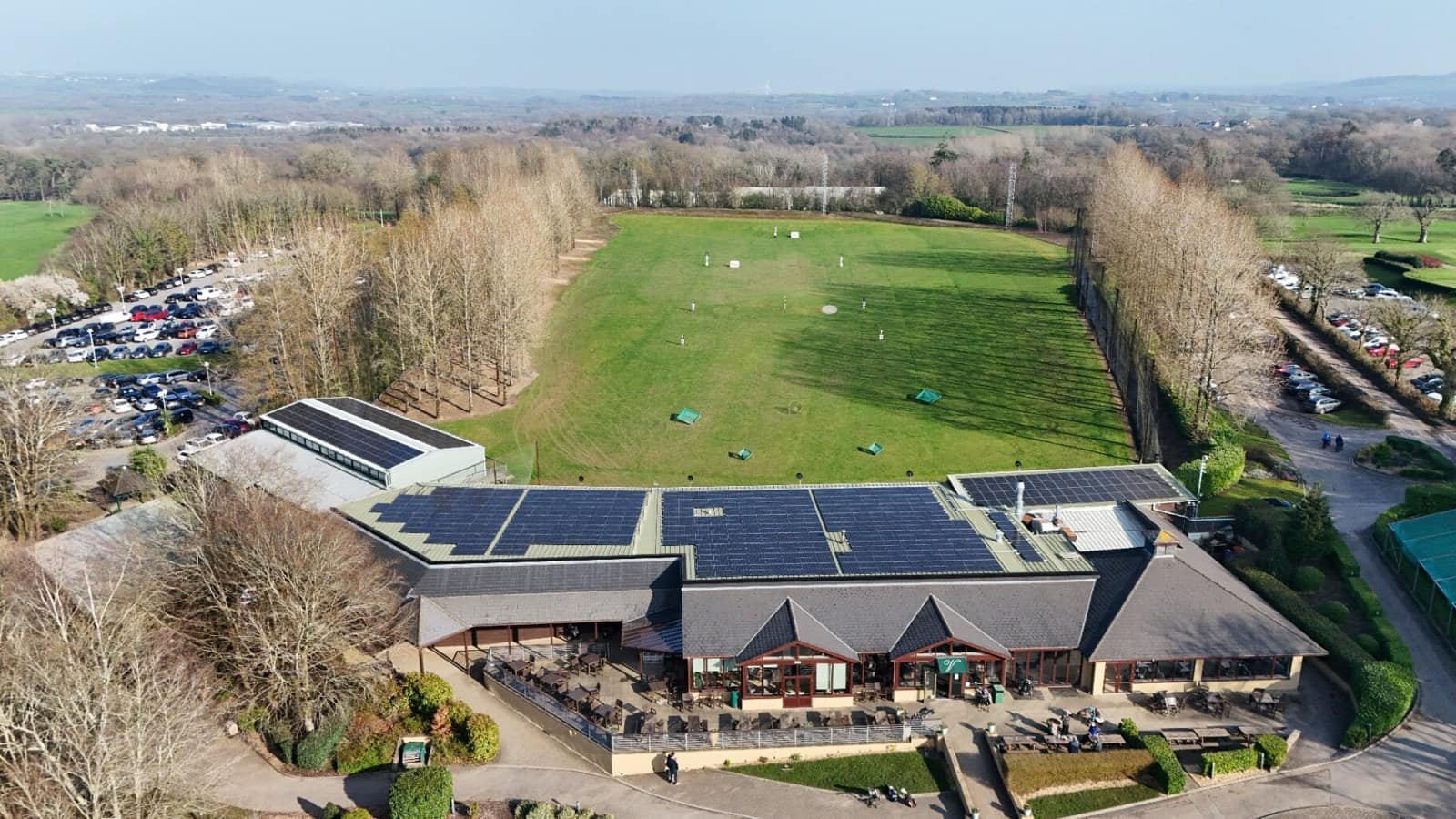
On a 168.81 kWp site like The Vale Resort (148.9 MWh/yr generation), a PPA at ~70% of current grid import would deliver roughly £30,000–£35,000 of annual saving against grid pricing, with zero capital deployed and zero O&M obligation — and the option to own the asset at end of term.

Energy-as-a-Service (EaaS)

Fully bundled. Fixed unit rate. Day-one savings.

Energy-as-a-Service (EaaS) is a long-term contract where a third party designs, funds, owns, builds, operates and maintains your on-site energy assets — solar, battery, EV, controls and monitoring — and you pay a single fixed unit rate per kWh delivered, 15–35% below your current grid tariff, for the life of the contract.

How it works
  1. 1Provider funds 100% of the project cost and takes asset ownership for the contract term.
  2. 2All design, procurement, installation, insurance, O&M and performance risk sits with the provider.
  3. 3You pay one fixed unit rate per kWh delivered — no CAPEX, no maintenance bill, no surprises.
  4. 4At end of term you can extend, hand back, or buy the asset at a pre-agreed residual.
Best for
  • Businesses without internal energy expertise or surplus capital
  • Multi-site operators wanting one commercial model across the estate
  • CFOs who prefer operating expenditure to capital expenditure
  • Public sector and large corporates with off-balance-sheet preferences
Watch-outs
  • You sacrifice some lifetime IRR vs CAPEX — that's the price of zero risk
  • Take-or-pay (minimum-volume) clauses need negotiating to historical use
  • Contract length must align to site tenure — assignment rights matter for tenants
Worked example

Under an EaaS structure, the same 512 kWp Edwards Vacuum array that delivered £71,177 of CAPEX saving would have delivered ~85% of that saving as a fixed unit-rate contract — with £0 capital deployed, full performance guarantees from the operator and no internal O&M overhead. The CFO trade: a bit less IRR, zero risk.

Asset finance (loan or hire purchase)

Spread the cost. Own it at the end.

Asset finance funds a commercial energy project through a secured loan or hire-purchase agreement, typically 5–10 years, where the lender's security is the asset itself. You make fixed monthly repayments out of operating energy savings and own the asset outright once the agreement ends.

How it works
  1. 1A lender (bank or specialist asset financier) funds 80–100% of the project cost.
  2. 2You sign a 5–10 year repayment schedule with a fixed interest rate.
  3. 3Monthly repayments are typically lower than monthly energy savings, so the project is cash-positive from month one.
  4. 4Title transfers to you at the end of the term, leaving 15–25 years of saving on a fully-owned asset.
Best for
  • Businesses that want eventual ownership without deploying capital today
  • CFOs whose hurdle rate is lower than the financed project IRR
  • Sites with strong, predictable daytime load (savings cover repayments)
  • Groups that already use asset finance for plant, vehicles or IT
Watch-outs
  • Adds debt to the balance sheet; may affect covenants and gearing
  • Interest rates are higher than corporate borrowing for most SMEs
  • Early settlement charges can apply — model the exit before signing
Worked example

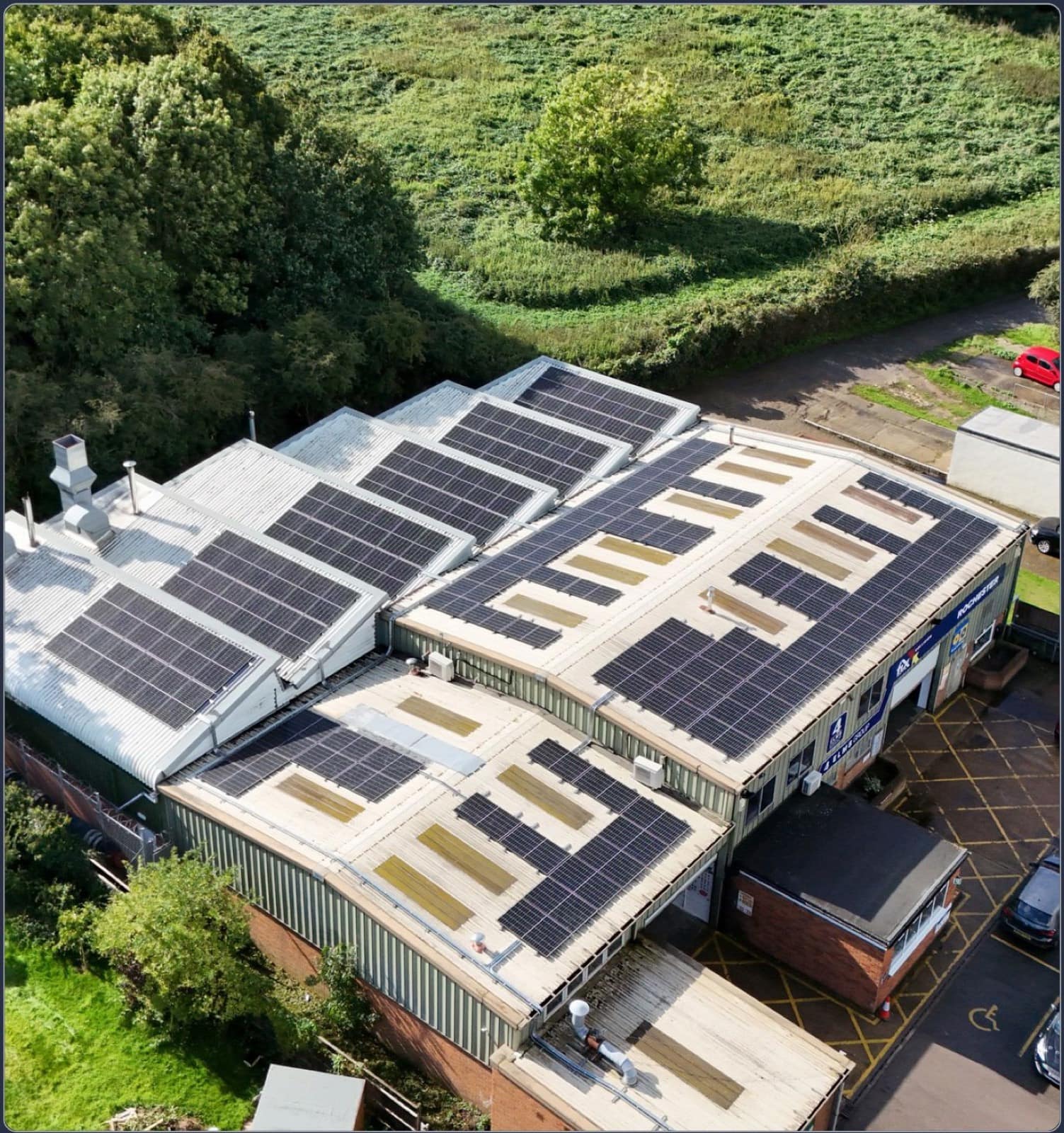
A 117.45 kWp system like Four Elms Group's (£33,632/yr saving, 3-yr payback) financed over 7 years at a typical asset-finance rate would carry monthly repayments well below monthly energy saving — making the project cash-positive from month one, with full ownership and ~18 years of unencumbered saving from year 8 onward.

CAPEX (outright purchase)

Own the asset. Keep every pound of saving.

CAPEX funding means your business pays the full cost of the energy system upfront from its own balance sheet, owns the asset from day one, and keeps 100% of the energy savings, ROC/REGO benefits and capital allowances for the life of the system (typically 25–30 years for solar).

How it works
  1. 1Pay the project cost in staged payments tied to design, procurement, install and commissioning.
  2. 2The asset is capitalised on your balance sheet and depreciated; energy savings hit your P&L from commissioning.
  3. 3You claim full expensing or capital allowances against UK corporation tax in the year of spend.
  4. 4You own and operate the asset for its full 25–30 year life — usually with a separate O&M contract.
Best for
  • Profitable UK businesses with surplus cash or undeployed reserves
  • Owner-occupiers with a 10+ year horizon at the site
  • Companies that want maximum lifetime NPV and full ROC/REGO ownership
  • Buyers happy to take performance, insurance and O&M risk in-house
Watch-outs
  • Capital is tied up — opportunity cost vs other investments
  • You carry performance and insurance risk for the contract life
  • Internal effort to procure, govern and maintain the asset
Worked example

Edwards Vacuum's 512 kWp rooftop solar was delivered under a CAPEX structure, generating £71,177 of year-1 savings and a 5-year payback. Over a 25-year asset life that's roughly £1.78m of cumulative saving against the original spend, with full ownership of every generated kWh and every REGO certificate retained by Edwards.

Operating leases and public grant schemes are covered in the full funding guide.

Funding terms

Every term a funder will use, in plain English.

Indexation, take-or-pay, residual values, IFRS 16 — the vocabulary is where funded energy deals get opaque. Here's what each one means, what sets it, and why your finance team cares.

Tap any term to expand it.

Zero-capital routes

Owned routes

How your finance team reads it

A preview of your proposal

The numbers come with a board-ready proposal.

Every estimate packages into a branded, shareable proposal — summary, a full 25-year cashflow and all three funding routes side by side. Here's a peek; the figures fill in the moment you generate yours.

Proposal · summary
Indicative Solar Proposal
Prepared for your site
System size
Year-1 saving
Payback
CO₂ avoided / yr
Proposal · 25-year cashflow
Cumulative net position
Owned solar vs carrying on paying the bill
£+£0£−
Yr 0Yr 10Yr 25
Proposal · funding routes
All three routes compared
Buy outrightAsset financeEaaS
Upfront
Year-1 saving
Payback
25-yr saving
IRR
Your figures are already on the calculator above.

This just packages your figures into a private proposal link to keep and share — free, no obligation.

Build mine
Why Nuvolt

Most funders sell you one route. We model all four and let the numbers pick.

A funding decision is a finance decision, not an equipment one — so it should start with a comparison, not a pitch.

Zero capital doesn't have to mean zero return

A funded system still cuts your energy cost from month one — you're simply trading some of the lifetime return for none of the capital, the risk or the maintenance. The calculator shows you exactly how much of that return you're trading, so it's a decision rather than a leap of faith.

The route is chosen by your numbers, not our margin

We model all four and show you all four, including the one where you buy it outright and we make less. If your tax position and cash reserves make CapEx obviously better, the comparison will say so.

The contract terms matter more than the headline rate

Indexation, minimum-volume clauses, buyout schedules, assignment rights on a leased building — these decide whether a funded deal is still good in year twelve. We negotiate them with you before you sign, not after.

One accountable contractor, whoever funds it

Nuvolt designs, installs, connects and maintains the system either way. You're not managing a funder, an EPC and an O&M provider who each blame the other when generation dips.

How it works

From an estimate to a funded, installed system.

  • 01

    Model the system

    Address, industry, roof area and your energy use — enough for the engine to size an array against your actual demand and work out what it generates and saves. Sixty seconds, nothing gated.

  • 02

    Compare the routes

    The calculator prices the same system three ways live — buy outright, asset finance and Energy-as-a-Service — showing what you pay upfront, what you pay monthly and what you keep. A PPA is priced by a funder against your specific site, so it's covered separately in the route comparison and quoted properly once we've surveyed.

  • 03

    Pressure-test the numbers

    A free feasibility survey and half-hourly data audit replace the estimates with measured figures — roof condition, shading, real consumption profile and DNO capacity — so the funding case is built on your site, not a benchmark.

  • 04

    Get the funding structured

    We arrange the route you choose, negotiate the terms that actually matter (indexation, minimum volumes, buyout schedule, assignment rights) and deliver the system end to end as a single accountable contractor.

Proof — in live commercial environments

Delivered without disruption. Operating. Measurably saving.

Common questions

Solar funding, answered.

When you're ready to look at this properly

Let's have a strategic conversation about your energy position.

An assessment, a benchmark, a roadmap — whichever is most useful. A short conversation with engineers who run commercial energy every day, not a sales call.

Contact us
Or call us directly: 0330 311 2454